
As a parent, it’s crucial to recognize the signs of allergies in your baby. Symptoms can vary widely, from skin rashes and eczema to respiratory issues like coughing and wheezing. Digestive problems, including diarrhea and vomiting, may also indicate an allergic reaction. Understanding these signs can help you determine if your child is experiencing allergies or something more common. What should you look for, and when is it time to seek further help?
Key Takeaways
- Skin reactions like eczema or rashes can indicate allergies, particularly when they appear on the face, elbows, or knees.
- Respiratory symptoms, such as persistent coughing or wheezing, may suggest exposure to allergens like dust mites or pollen.
- Digestive issues, including frequent vomiting or diarrhea, could signal food allergies, especially if they coincide with mealtimes.
- Environmental triggers, including pet dander and mold spores, often lead to sneezing and watery eyes in sensitive infants.
- Severe reactions may present as difficulty breathing, swelling of the face, or hives, requiring immediate medical attention.
Understanding Allergies in Infants
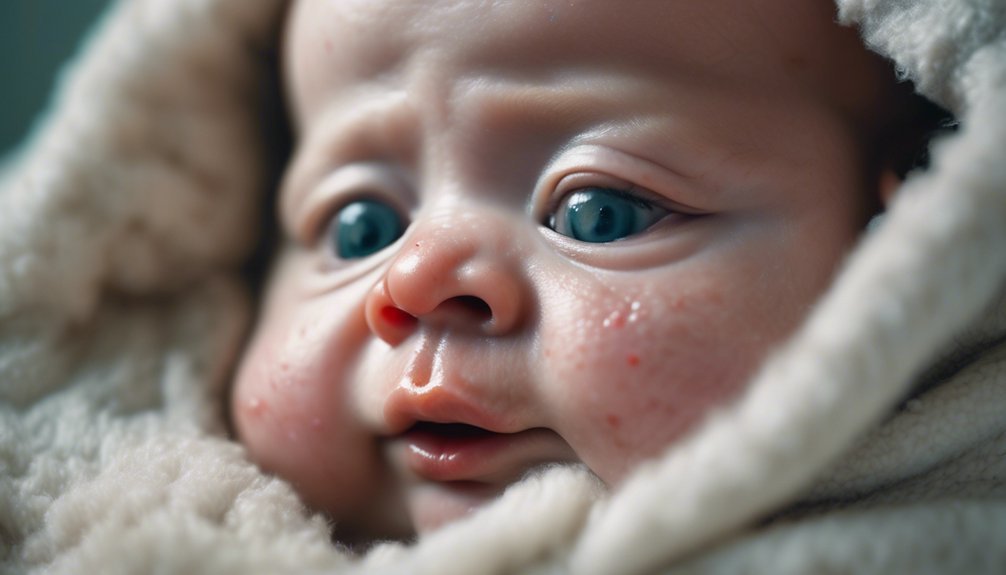
When you notice unusual reactions in your baby, it’s essential to understand that allergies can manifest in various ways.
Food allergies often trigger immune responses that may result in skin irritations, gastrointestinal issues, or respiratory problems. Environmental factors, such as pollen, dust mites, or pet dander, can also provoke similar reactions, making it vital to observe your baby’s environment closely.
Additionally, genetic predisposition plays a significant role; if allergies run in your family, your baby may be more susceptible.
Recognizing these signs early can pave the way for effective management and care. By staying attuned to your baby’s responses, you can help ensure a healthier, more comfortable life for your little one, minimizing potential reactions and fostering well-being.
Common Allergy Triggers
Identifying common allergy triggers is crucial for safeguarding your baby’s health and comfort.
Pollen exposure, especially during spring and fall, can lead to sneezing and watery eyes.
Pet dander from furry companions might irritate your little one’s sensitive system, so monitor their reactions.
Food sensitivities, such as those to dairy or nuts, can manifest as gastrointestinal discomfort.
Dust mites, often found in bedding and carpets, can be another hidden foe.
Mold spores, thriving in damp areas, can also provoke allergic responses.
Lastly, don’t overlook insect bites, which can cause localized swelling and distress.
Skin Reactions: Rashes and Eczema
Although skin reactions like rashes and eczema can be distressing for both you and your baby, recognizing their signs is essential for effective management.
Eczema often appears as dry, red patches, typically on the face, elbows, or knees. You should identify potential eczema triggers, such as certain foods, allergens, or harsh soaps, to help prevent flare-ups.
When a rash occurs, it’s crucial to know the appropriate rash treatments. Keeping the affected area moisturized and using gentle, hypoallergenic products can alleviate discomfort.
For persistent cases, consider consulting your pediatrician for topical treatments or allergy testing. Being proactive and attentive to your baby’s skin can greatly improve their comfort and overall well-being in the face of allergies.
Respiratory Symptoms: Coughing and Wheezing
Recognizing respiratory symptoms like coughing and wheezing in babies is critical, as these can indicate allergic reactions or other underlying health issues.

Pay close attention to the following signs:
- Coughing Triggers: Identify what prompts the cough—common allergens like dust mites, pet dander, or pollen can exacerbate symptoms.
- Wheezing Patterns: Note if the wheezing occurs during specific activities or times of day, as this can help pinpoint allergens or irritants.
- Breathing Difficulty: Watch for labored breathing or rapid breaths, which may signal a more severe reaction.
If you observe these symptoms, consult your pediatrician to discuss appropriate evaluations and interventions.
Early recognition can lead to effective management and a healthier environment for your little one.
Digestive Issues: Diarrhea and Vomiting
While respiratory symptoms like coughing and wheezing can signal allergies in babies, digestive issues such as diarrhea and vomiting are also significant indicators.
If your baby experiences frequent vomiting or diarrhea, it could point to food allergies or intolerances. Diarrhea causes may include reactions to specific proteins in formula or solid foods, while vomiting frequency can increase following exposure to allergens.
Pay attention to the timing of these symptoms in relation to mealtimes, as this can help identify problematic foods. Remember, consistency matters; frequent episodes warrant a conversation with your pediatrician.
Monitoring your baby’s overall health and behavior during these digestive disturbances is crucial in determining the underlying cause and ensuring their comfort and well-being.
Swelling and Hives
When your baby develops swelling or hives, it can be a clear sign of an allergic reaction. Understanding the different swelling types is crucial for effective hives treatment. You might notice:
- Localized Swelling: This occurs in specific areas, like the face or arms, often related to insect bites or food allergies.
- Generalized Swelling: This affects larger areas and can signify a more severe reaction, requiring immediate medical attention.
- Hives: Raised, itchy welts that can appear anywhere on the body; they often signal a histamine response.
For mild hives treatment, you can use antihistamines, but consult your pediatrician for advice tailored to your baby’s needs.
Always monitor for any signs of distress, and don’t hesitate to seek help if you’re worried.
Eye Symptoms: Itchy and Watery Eyes
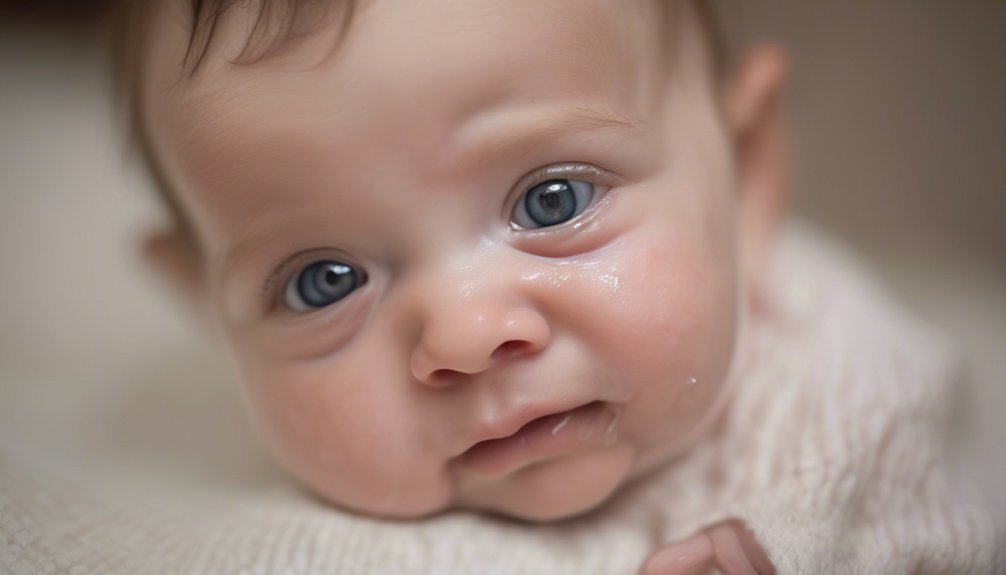
Eye symptoms like itchy and watery eyes can indicate an allergic reaction in babies. You might notice your little one rubbing their eyes frequently or having swollen, itchy eyelids. This discomfort often accompanies a watery discharge, which can be alarming.
| Symptom | Description |
|---|---|
| Itchy Eyelids | Your baby may rub or scratch their eyes often. |
| Watery Discharge | Clear fluid may leak from the eyes, indicating irritation. |
| Swelling | Eyelids may appear puffy or red, signaling an allergy. |
If you observe these symptoms, it’s crucial to consult your pediatrician for further evaluation. Addressing allergies early can help alleviate your baby’s discomfort and improve their overall well-being.
Behavioral Changes: Irritability and Fussiness
Behavioral changes in your baby, such as increased irritability and fussiness, can signal underlying allergies. Understanding these changes is vital for addressing their discomfort.
Here are some common irritability triggers and fussiness factors to consider:
- Food Allergens: Certain foods, like dairy or nuts, can cause reactions, leading to distress.
- Environmental Factors: Dust, pollen, or pet dander may irritate your baby, making them more fussy.
- Skin Reactions: Eczema or rashes can increase irritability, as your baby feels uncomfortable.
Being aware of these signs can help you identify potential allergens and provide relief.
If you notice persistent changes in behavior, consult your pediatrician to explore allergy testing and management options tailored to your little one’s needs.
How to Differentiate Between Allergies and Common Illnesses
Identifying whether your baby is experiencing allergies or common illnesses can be challenging, especially when symptoms overlap. Common symptoms like sneezing, coughing, and rashes can be present in both scenarios, leading to allergy misconceptions.
Pay attention to the timing of these symptoms; allergies often appear shortly after exposure to a potential allergen, such as pollen or certain foods. In contrast, common illnesses like colds usually develop gradually and may accompany fever.
Additionally, watch for persistent symptoms that seem to worsen with exposure to specific environments or substances—this could indicate an allergy. Keeping a symptom diary can help you identify patterns and differentiate between allergies and common illnesses more effectively.
Your observations are crucial in understanding your baby’s health.
When to Seek Medical Advice
When should you consider seeking medical advice for your baby’s allergy symptoms?
It’s crucial to act promptly, especially if you notice any of the following signs:
- Severe Reactions: If your baby experiences difficulty breathing, swelling of the face, or hives, it could indicate a life-threatening reaction.
- Persistent Symptoms: Continuous coughing, sneezing, or rashes that don’t improve with over-the-counter allergy medications warrant a doctor’s visit.
- Emergency Plans: If your baby has a known allergy, ensure you have an emergency plan in place. Consult your pediatrician about an action plan and the need for prescribed medications.
Trust your instincts—your baby’s health is paramount.
Don’t hesitate to seek professional guidance when in doubt.
Testing and Diagnosis of Allergies
How can you accurately determine if your baby has allergies? The process begins with thorough observation of your baby’s symptoms.
A healthcare provider will typically conduct allergy testing, which may include skin prick tests or blood tests to identify specific allergens. Skin prick tests involve applying small amounts of suspected allergens to your baby’s skin, while blood tests measure IgE antibodies in response to allergens.
Diagnosis methods also include keeping a detailed food diary or conducting an elimination diet to pinpoint triggers. It’s crucial to communicate openly with your pediatrician about any reactions you’ve noticed.
Early and accurate diagnosis can help you manage your baby’s allergies effectively, ensuring they lead a healthier, happier life.
Managing Allergies: Tips for Parents
Managing your baby’s allergies involves a proactive approach that can significantly improve their quality of life.
Effective allergy management requires vigilance and attention to dietary considerations. Here are three tips to help you navigate this journey:
- Identify Triggers: Keep a detailed food diary to track what your baby eats and any reactions that occur. This helps pinpoint allergens.
- Consult Professionals: Regularly consult with a pediatric allergist or dietitian. They can provide tailored advice and adjust your baby’s diet as needed.
- Educate Yourself: Stay informed about potential allergens in common baby foods. Knowledge empowers you to make safe choices for your little one.
Frequently Asked Questions
Can Allergies Develop Suddenly in Babies Without Previous Symptoms?
Allergies can indeed develop suddenly in babies, presenting unexpected allergy symptoms. One moment, everything seems fine, and the next, your baby may react to something new, highlighting the importance of vigilance and awareness.
Are There Hereditary Links to Allergies in Infants?
Yes, there’re hereditary links to allergies in infants. Genetic factors play a crucial role, and a family history of allergies increases the likelihood. Understanding this connection can help you manage your baby’s health proactively.
Can Teething Cause Allergy-Like Symptoms in Babies?
Teething symptoms can mimic allergy confusion, causing irritability and mild rashes. You might notice increased drooling or fussiness, leading you to question if allergies are at play. It’s essential to observe and consult your pediatrician for clarity.
What Home Remedies Are Safe for Allergy Symptoms in Infants?
So you’re thinking about turning your home into a mini-pharmacy? Stick with natural remedies like saline nasal drops and oatmeal baths. These safe treatments can soothe your little one’s symptoms without the side effects of pharmaceuticals.
How Can I Prevent Allergies in My Baby?
To prevent allergies in your baby, focus on a balanced baby diet, introducing new foods gradually. Minimize allergen exposure by avoiding common triggers, like nuts and dairy, until your pediatrician advises otherwise for safety.
Conclusion
In conclusion, recognizing the signs of allergies in babies is crucial for their health and comfort. Did you know that approximately 8% of children in the U.S. have food allergies? Staying vigilant about symptoms like rashes, respiratory issues, and digestive problems can help you identify potential allergies early on. By understanding common triggers and knowing when to seek medical advice, you can effectively manage your baby’s allergies and ensure their well-being.