Did you know that postpartum hair loss affects nearly 50% of new mothers? It’s a common experience, yet it can feel isolating and overwhelming. Understanding the underlying causes and exploring effective strategies can make a significant difference. From nutritional support to gentle hair care practices, there are ways to manage this phase. Let’s explore how to navigate these changes and foster an environment for healthy hair regrowth.
Key Takeaways
- Incorporate nutrient-rich foods like leafy greens, lean proteins, and omega-3 fatty acids to support hair health during postpartum.
- Use a wide-tooth comb and gentle hair care techniques to minimize breakage and stress on hair strands.
- Apply moisturizing treatments, such as natural oils or hydrating masks, weekly to nourish and strengthen hair.
- Schedule regular trims every 6-8 weeks to promote healthy growth and maintain hair health.
- Seek emotional support from friends, family, or support groups to manage stress and feelings of isolation during this time.
Understanding Postpartum Hair Loss

While it might seem alarming to notice more hair in your brush after giving birth, understanding postpartum hair loss can help you navigate this common experience.
This temporary shedding is primarily due to hormonal changes, as your body adjusts after delivery. A causes overview reveals that elevated estrogen levels during pregnancy prevent hair from falling out; once those levels drop, you may experience increased shedding.
Don’t worry, though—this is a normal part of recovery. Most women notice that hair loss peaks around three to six months postpartum.
Luckily, a recovery timeline shows that hair growth typically resumes within six to twelve months after giving birth. Embracing this journey with patience can help you manage those emotional ups and downs.
The Role of Hormones in Hair Loss
As your body navigates the postpartum period, hormonal fluctuations play a significant role in hair loss. After childbirth, estrogen levels drop significantly, which can lead to increased shedding. This sudden change may feel overwhelming, but understanding these hormonal shifts can help you cope.
| Hormonal Change | Effect on Hair | Tips for Management |
|---|---|---|
| Decreased Estrogen | Increased shedding | Gentle hair care |
| Increased Prolactin | Hair growth slows | Regular scalp massage |
| Thyroid Changes | Hair thinning | Consult your doctor |
| Stress Hormones | Hair loss can spike | Practice stress relief |
| Nutrient Deficiencies | Weakens hair structure | Consider supplements |
Recognizing these patterns allows you to approach your hair loss with compassion for yourself during this transformative time.
Nutritional Support for Healthier Hair
To support healthier hair during the postpartum period, it’s crucial to focus on your nutrition, since the right nutrients can make a significant difference in hair strength and growth.
Incorporate nutrient-rich foods into your diet, like leafy greens, nuts, and seeds, which provide essential vitamins and minerals.
Don’t forget to include quality protein sources, such as lean meats, eggs, and legumes, as they’re vital for hair rebuilding.
Omega-3 fatty acids, found in fish and flaxseeds, can also promote scalp health.
Staying well-hydrated is important too, as water nourishes your hair follicles.
Remember, nourishing your body not only helps your hair but enhances your overall well-being during this transformative time.
You’re doing an incredible job; taking care of yourself is key.
Gentle Hair Care Practices

Nourishing your body with the right nutrients is just one part of maintaining healthy hair during the postpartum period; how you care for your hair also plays a significant role. Embrace gentle hair care practices to minimize further stress on your strands. Start with gentle brushing using a wide-tooth comb to untangle knots without pulling. Incorporate moisturizing treatments like natural oils or hydrating masks to rejuvenate your hair.

Here’s a quick guide to help you:
| Practice | Benefits | Tips |
|---|---|---|
| Gentle Brushing | Reduces breakage | Use a wide-tooth comb |
| Moisturizing Treats | Adds hydration | Apply weekly |
| Heat Protection | Prevents damage | Use before styling |
| Regular Trims | Promotes growth | Trim every 6-8 weeks |
Styling Tips to Conceal Thinning Hair
While experiencing postpartum hair loss can be disheartening, there are effective styling techniques that can help you conceal thinning areas and boost your confidence.
Consider using hair accessories like headbands, scarves, or clips to draw attention away from sparse spots. A well-placed accessory can add flair and distract from any concerns you may have.
Experiment with hairstyle tricks such as adding volume with layered cuts or loose waves. These styles create movement, giving the illusion of thicker hair.
You might also try side-parting your hair to cover thinning areas more effectively. Remember, the key is to embrace your new look while using these techniques to enhance your natural beauty.
You’re not alone in this journey, and there are ways to feel fabulous!
Supplements That May Help
Finding ways to enhance your hairstyle can be a fun distraction from postpartum hair loss, but there’s also an important aspect to consider: supplements that may help support hair health. Incorporating certain nutrients into your routine can make a difference. Biotin, for example, is renowned for its benefits in promoting hair strength and growth. Additionally, ensuring adequate iron intake can support healthy hair follicles, as low iron levels can contribute to hair thinning.
| Supplement | Benefits |
|---|---|
| Biotin | Strengthens hair strands |
| Iron | Supports hair growth |
| Vitamin D | Enhances follicle health |
| Omega-3 | Nourishes scalp |
Consult with your healthcare provider to find the right supplements for your needs.
Scalp Massages for Hair Growth
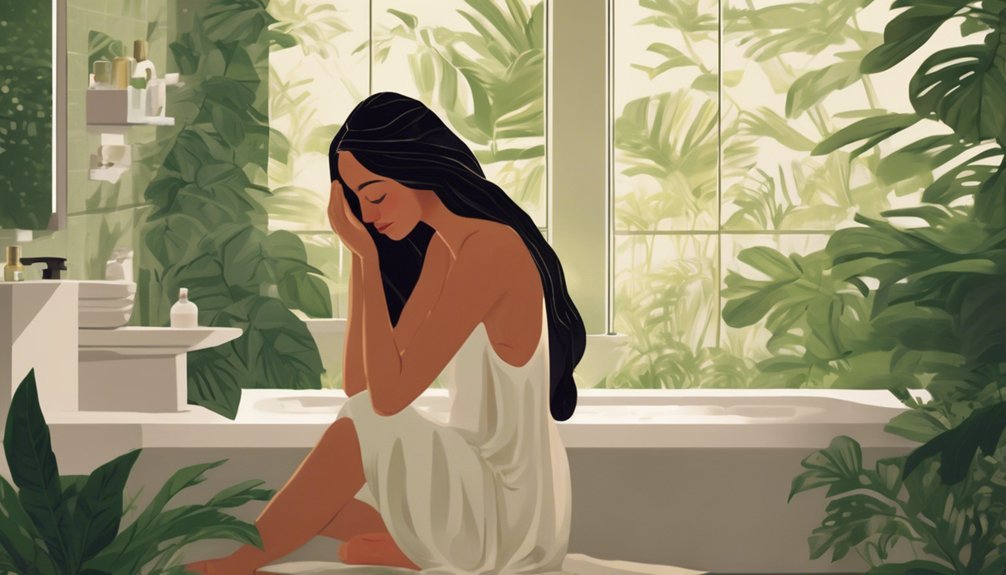
A simple yet effective way to promote hair growth during postpartum recovery is through scalp massages. This gentle practice not only feels soothing but also provides scalp stimulation that can invigorate your hair follicles.
By increasing blood flow to your scalp, you support the nutrients your hair needs for growth. Take a few moments each day to massage your scalp with your fingertips, applying light pressure in circular motions.
You might consider using oils like coconut or jojoba to enhance the experience and nourish your scalp further. Remember, this isn’t just about hair; it’s a moment for self-care.
As you focus on your well-being, you’ll nurture both your hair and soul. Embrace this simple ritual; your hair will thank you!
When to Consult a Dermatologist
How do you know when it’s time to consult a dermatologist about postpartum hair loss? If you notice excessive shedding, patches of baldness, or if your hair isn’t improving after several months, it’s wise to seek help. Postpartum triggers vary, and a dermatologist can provide tailored recommendations.
Here’s a quick guide to help you decide:
| Signs to Watch For | Possible Causes | Action to Take |
|---|---|---|
| Excessive hair loss | Hormonal changes | Schedule a dermatologist visit |
| Patches of thinning | Nutritional deficiencies | Discuss potential supplements |
| Hair loss beyond 6 months | Other health issues | Get a complete evaluation |
| Scalp irritation | Skin conditions | Seek specialized treatment |
Trust your instincts; your well-being matters.
Embracing Temporary Changes
Experiencing postpartum hair loss can be disheartening, but it’s important to remember that these changes are often temporary.
As you navigate this self-acceptance journey, focus on embracing the beauty of this phase. Your body has undergone immense changes to bring new life into the world, and while hair loss can feel overwhelming, it’s a natural response to hormonal shifts.
Allow yourself to feel what you’re feeling, but also recognize that this is just one moment in your life. Consider experimenting with new hairstyles or accessories to express your evolving identity.
Stress Management Techniques
While navigating the emotional rollercoaster of postpartum life, managing stress becomes essential for your well-being. You might feel overwhelmed, but incorporating mindfulness techniques can help ground you. Simple practices like deep breathing or focusing on the present moment can ease anxiety and foster a sense of calm.
Additionally, consider relaxation exercises such as progressive muscle relaxation or gentle yoga. Even a few minutes a day can make a difference in how you feel.
Don’t hesitate to reach out for support, whether through friends, family, or professional help. Remember, prioritizing your mental health isn’t just beneficial for you, but also for your baby.
Hair Products to Consider
Postpartum hair loss can be disheartening, but the right hair products can help you manage this common issue effectively. Consider incorporating natural haircare products into your routine, as they’re gentle and nourishing for your scalp. Look for shampoos and conditioners rich in vitamins and botanicals that promote hair health. Additionally, topical treatments with ingredients like biotin and caffeine can stimulate hair follicles and encourage growth. Here’s a quick reference table to help you choose:
| Product Type | Recommended Ingredients |
|---|---|
| Shampoos & Conditioners | Aloe Vera, Argan Oil |
| Topical Treatments | Biotin, Caffeine, Rosemary Oil |
| Hair Masks | Coconut Oil, Shea Butter |
Building a Support Network
Finding the right hair products can make a significant difference in managing postpartum hair loss, but emotional support is just as important during this time.
Building a support network can help you feel less isolated. Seek out local support groups where you can share your experiences with others who understand your journey. These connections can provide comfort and practical advice.
Online forums are another valuable resource; they allow you to engage with a broader community, offering insights and encouragement from mothers around the world.
Frequently Asked Questions
Can Postpartum Hair Loss Affect My Eyebrows or Eyelashes?
Yes, postpartum hair loss can lead to eyebrow thinning and eyelash shedding. You’re not alone in this; many women experience changes during this time. It’s important to remember that these changes are often temporary.
Is Postpartum Hair Loss Permanent or Temporary?
Imagine a garden in winter, stripped bare. Postpartum hair loss is usually temporary, caused by hormonal changes. Most women regain their hair within six months, so hang in there—your beautiful blooms will return!
How Long Does Postpartum Hair Loss Typically Last?
Postpartum hair loss typically lasts about six months, though it can vary. Hormonal changes after childbirth affect your hair growth cycle, but don’t worry; most women see their hair return to normal within a year.
Will My Hair Return to Its Original Thickness?
Many women experience changes in hair thickness postpartum due to hormonal influences. While some regain their original thickness over time, considering hair restoration techniques can help you navigate this journey with confidence and hope.
Can Stress From Motherhood Worsen Hair Loss?
Yes, stress from motherhood challenges can worsen hair loss. By prioritizing stress management techniques like self-care and seeking support, you can create a more nurturing environment for yourself, which may help your hair health in return.
Conclusion
In managing postpartum hair loss, remember that “this too shall pass.” Embrace the journey and give your body time to heal. By nourishing yourself with the right foods, practicing gentle hair care, and seeking support, you can foster a healthy environment for regrowth. Stay patient and kind to yourself during this transition. With the right approach, you can navigate these changes and emerge stronger, paving the way for your hair’s return to its former glory.