
Imagine a parent who, instead of reacting with frustration when their child spills juice, calmly helps them clean it up while discussing the importance of being careful. This approach is part of positive parenting, which emphasizes empathy and connection. It’s about nurturing your child’s growth in a supportive environment. But how do these principles translate into everyday interactions, and what impact do they have on your child’s development?
Key Takeaways
- Positive parenting emphasizes nurturing relationships to foster emotional connections and support children’s overall development and well-being.
- It utilizes positive reinforcement to encourage desirable behaviors, enhancing children’s self-esteem and resilience.
- Core principles include empathy, consistency, positive reinforcement, communication, and flexibility in adapting to children’s needs.
- A strong emotional bond helps children feel valued, heard, and supported, equipping them to navigate challenges effectively.
- Positive parenting focuses on teaching rather than punishing, promoting learning and growth through clear expectations and routines.
Understanding Positive Parenting

Understanding positive parenting means recognizing that your approach to raising children significantly impacts their development and well-being.
By employing positive reinforcement techniques, you can encourage desirable behaviors and foster a loving environment. Instead of focusing on punishments, emphasize praise and rewards, which help your child feel valued and motivated. This nurturing atmosphere not only boosts their self-esteem but also nurtures resilience.
When children face challenges, they’re more likely to overcome them if they know they’ve your support. Research shows that children thrive in environments where they feel safe and understood.
Embracing positive parenting helps you build deeper connections with your child, equipping them with the emotional tools they need to navigate life’s ups and downs confidently.
The Core Principles of Positive Parenting
Building on the foundation of positive parenting, it’s important to recognize the core principles that guide this approach. These principles not only shape your parenting styles but also influence effective discipline techniques that foster a nurturing environment.
| Core Principle | Description |
|---|---|
| Empathy | Understand your child’s feelings and perspectives. |
| Consistency | Apply rules and discipline techniques uniformly. |
| Positive Reinforcement | Celebrate achievements to encourage good behavior. |
| Communication | Engage in open dialogue to build trust. |
| Flexibility | Adapt your approach based on your child’s needs. |
The Importance of Emotional Connection
While fostering a strong emotional connection with your child might seem challenging at times, it’s crucial for their overall development and well-being. This connection lays the foundation for emotional intelligence, enabling your child to understand and manage their feelings effectively.
Nurturing relationships create a safe space where your child feels valued, heard, and supported. When you engage in open conversations and show empathy, you help them build resilience and social skills that last a lifetime.
Remember, emotional connections aren’t just about love; they’re about trust and understanding. By prioritizing this bond, you equip your child with the tools they need to navigate life’s challenges, fostering healthier relationships with others and themselves.
Embrace this journey; it’s transformative for both of you.
Encouraging Positive Behavior

A strong emotional connection with your child creates a solid foundation for encouraging positive behavior. By practicing positive reinforcement, you can effectively acknowledge and celebrate your child’s good choices. Praise them specifically for their efforts, whether it’s sharing with a sibling or finishing their homework. This not only boosts their self-esteem but also reinforces the behavior you want to see more often.
Additionally, behavior modeling plays a crucial role. Children learn by observing you, so demonstrate the behaviors you wish to cultivate. Show kindness, patience, and empathy in your actions.
When your child sees you exhibit these qualities, they’re more likely to emulate them. Together, these strategies foster a nurturing environment for your child to thrive and grow.

Effective Communication Strategies
How can you ensure your child feels heard and understood? Start by practicing active listening. This means giving your full attention, maintaining eye contact, and reflecting back what they say.
When your child shares their thoughts or feelings, acknowledge their emotions with verbal reinforcement, like, “I understand that you’re upset.” This validation fosters trust and opens up deeper conversations.
Encourage them to express themselves freely, and ask open-ended questions to explore their feelings further. Remember, it’s not just about hearing words but understanding their meaning behind them.
Building Self-Discipline in Children
Building self-discipline in children is a natural extension of fostering effective communication. When you openly discuss expectations and consequences, you’re laying the groundwork for your child’s self-discipline techniques.
Start by setting clear, achievable goals together, allowing them to understand the importance of responsibility. Encourage them to make choices, which not only fosters independence but also helps them learn from their decisions.
Be consistent in your approach, as this reinforces their understanding of boundaries. Celebrate their small victories to boost their confidence and motivation.
Problem-Solving Skills Development
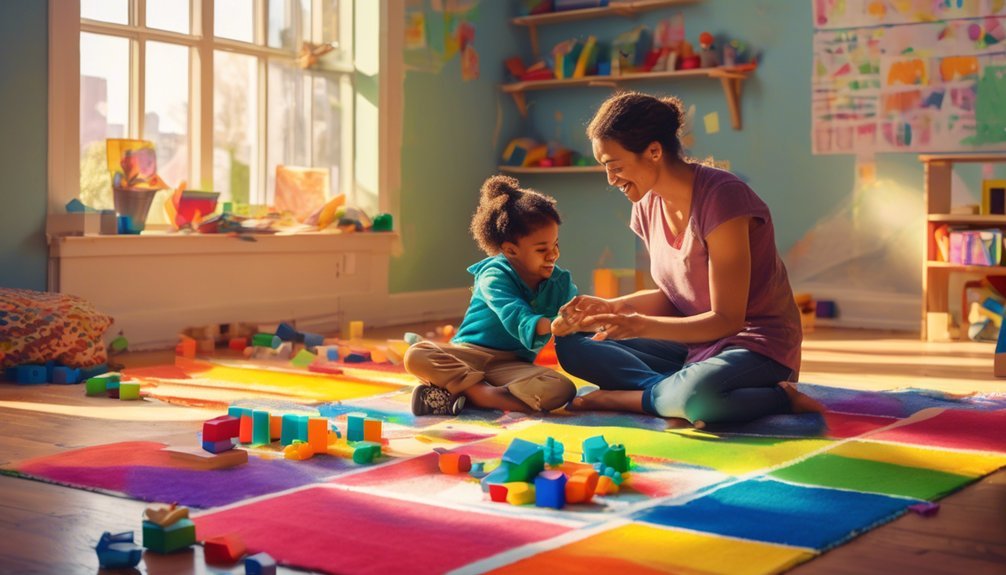
While navigating everyday challenges, children can greatly benefit from developing strong problem-solving skills. Encouraging your child to use effective problem-solving techniques empowers them to face obstacles with confidence.
Start by presenting simple scenarios and guide them through the steps of identifying the problem, brainstorming solutions, and evaluating the best choice. This process nurtures their critical thinking abilities, allowing them to analyze situations more thoroughly.
As you engage in conversations about their thought processes, ask open-ended questions that stimulate their creativity. Celebrate their efforts, whether they succeed or not, to reinforce resilience.
The Role of Empathy in Parenting
Empathy plays a crucial role in parenting, as it helps you connect deeply with your child’s feelings and experiences. By practicing empathy building, you foster emotional awareness in your child, enabling them to understand their own emotions and those of others. This connection strengthens your bond, creating a nurturing environment for growth.
| Empathy Skills | Benefits |
|---|---|
| Active Listening | Enhances communication |
| Validating Emotions | Builds trust |
| Perspective-Taking | Fosters understanding |
| Emotional Regulation | Promotes resilience |
| Encouraging Expression | Supports healthy habits |
When you actively engage with your child’s feelings, you cultivate a space where they feel safe to express themselves, ultimately leading to a more harmonious relationship.
Setting Boundaries With Love
Creating a nurturing environment involves not only understanding your child’s feelings but also establishing clear boundaries that reflect love and care.
Boundary setting is essential for your child’s emotional and social development. With loving discipline, you guide them toward understanding acceptable behavior while reinforcing your commitment to their well-being.
It’s important to communicate these boundaries clearly and consistently, allowing your child to feel safe and secure. When they know what to expect, they’re more likely to thrive.
Remember, setting limits doesn’t mean you love them any less; it shows your dedication to helping them grow.
The Impact of Positive Parenting on Child Development

Positive parenting significantly shapes a child’s development, fostering emotional, social, and cognitive growth. When you engage positively, you’re nurturing secure attachments, as highlighted by attachment theory. This strong bond encourages your child to explore their world confidently, knowing they’ve your support.
As they reach developmental milestones, from first words to social interactions, your encouragement acts as a crucial foundation. Research shows that children raised in a positive environment exhibit better emotional regulation and social skills.
Overcoming Challenges in Positive Parenting
While nurturing a positive parenting approach can be rewarding, it often comes with its own set of challenges. You may encounter moments of frustration, and that’s completely normal. The key is to focus on resilience building in both yourself and your child. Practice conflict resolution strategies, which can turn challenging situations into valuable learning experiences.
Here’s a quick visual guide to help you navigate these challenges:
| Challenge | Strategy |
|---|---|
| Frustration | Take a deep breath |
| Miscommunication | Use active listening |
| Behavioral issues | Set clear expectations |
| Emotional outbursts | Validate feelings |
| Consistency in discipline | Create a routine |
Practical Tips for Implementing Positive Parenting
Navigating the challenges of parenting can be tough, but implementing positive parenting strategies can make a significant difference in your family’s dynamics.
Here are some practical tips to help you along the way:
- Practice positive discipline: Focus on teaching rather than punishing. Set clear expectations and consistently reinforce them with kindness.
- Use parenting resources: Read books, join workshops, or connect with a community of parents. These can offer valuable insights and support.
- Create a routine: Consistency brings comfort. Establish daily routines that make your child feel secure and promote cooperation.
Frequently Asked Questions
How Can I Balance Positive Parenting With Discipline?
Balancing positive parenting with discipline requires you to use effective communication strategies and gentle discipline techniques. Focus on understanding your child’s feelings while setting clear boundaries, ensuring they feel loved yet accountable for their actions.
What Age Is Best to Start Positive Parenting Techniques?
You can start positive parenting techniques as early as toddlerhood, laying a strong foundation. As your child grows, adapt your approach with adolescent adjustments, ensuring emotional connection while guiding their development through each stage.
Can Positive Parenting Be Effective for Children With Special Needs?
Absolutely, positive parenting can be effective for children with special needs. By using positive reinforcement, you’ll nurture their growth and confidence, creating a supportive environment that respects their unique challenges while fostering their strengths and abilities.
How Do I Handle Negative Behaviors While Practicing Positive Parenting?
To handle negative behaviors effectively, you can combine emotional regulation techniques with positive reinforcement. Avoid negative reinforcement strategies; instead, foster understanding and connection, guiding your child through their feelings while encouraging positive actions and choices.
What Resources Are Available for Learning More About Positive Parenting?
You can explore books, attend workshops, join online courses, and connect with parenting groups. These resources provide valuable insights and support, helping you navigate challenges while fostering a deeper bond with your child.
Conclusion
In your journey of positive parenting, think of yourself as a gardener nurturing a delicate seed. By fostering emotional connections and encouraging positive behaviors, you’re cultivating resilience and self-esteem in your child. Just like a flower blooms with care, your efforts will help your child thrive amidst life’s challenges. Embrace the process, celebrate the small victories, and remember that every moment spent in love and understanding shapes a brighter future for both you and your child.