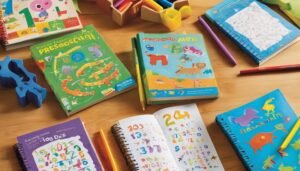
You might not realize that word puzzle books can significantly enhance literacy skills tailored to specific reading levels. These resources offer more than just entertainment; they create an engaging way to develop vocabulary and comprehension. By exploring the different types of puzzles available, you can find ones that align with your needs. Curious about how these puzzles can transform learning routines? Let’s explore the benefits and strategies together.
Key Takeaways
- Choose puzzle books designed for specific age groups to align with their reading levels and cognitive skills.
- Opt for simple crosswords and word searches for younger kids, gradually introducing more complex puzzles as they advance.
- Look for books that include contextual clues to reinforce vocabulary and encourage word recall for different reading levels.
- Consider puzzle books with themes or subjects that interest the reader to enhance engagement and motivation.
- Select books that provide a variety of puzzle types to maintain interest and cater to different learning styles.
The Importance of Word Puzzles in Literacy Development

While many might overlook the role of word puzzles, they play a crucial part in literacy development. You mightn’t realize it, but engaging with these puzzles helps sharpen your vocabulary and improves your spelling skills.
Each time you tackle a crossword or a word search, you’re not just having fun; you’re reinforcing your understanding of language and enhancing your ability to recognize patterns in words. This active engagement encourages cognitive connections, making reading more enjoyable and accessible.
Plus, solving puzzles can build your confidence as you see your skills grow. So, next time you pick up a word puzzle, remember it’s more than just a pastime—it’s a meaningful step in your journey toward becoming a more proficient reader.
Types of Word Puzzles for Different Age Groups
As you explore the world of word puzzles, you’ll find that different types cater to various age groups and skill levels. For younger kids, simple crosswords and word searches introduce them to vocabulary in a fun way.
As they grow, you might notice them enjoying more complex puzzles, like cryptograms or themed puzzles that challenge their thinking. For teens and adults, advanced crosswords, anagrams, and Sudoku can provide both entertainment and a mental workout.
Each puzzle type not only entertains but also engages different cognitive skills, making learning enjoyable at every age. So, whether you’re nurturing a budding reader or challenging a seasoned wordsmith, there’s a perfect puzzle waiting for them!
Enhancing Vocabulary Through Puzzle Solving

Engaging with word puzzles not only entertains but also significantly enhances your vocabulary. As you solve crosswords, word searches, or anagrams, you discover new words in a fun way. This interaction deepens your understanding and retention, making vocabulary learning feel natural and effortless.

Here’s a quick look at how different puzzles can boost your word skills:
| Puzzle Type | Benefits | Example Words |
|---|---|---|
| Crossword | Contextual clues help recall | Ephemeral, Eloquent |
| Word Search | Visual recognition enhances | Serendipity, Ubiquitous |
| Anagram | Word manipulation aids recall | Listen → Silent |
Boosting Spelling Skills With Engaging Challenges
Word puzzles not only enhance vocabulary but also provide an exciting way to improve your spelling skills. When you dive into crosswords, word searches, or anagrams, you challenge your brain to recall the correct spelling of words in a fun, engaging manner.
Each puzzle you complete builds your confidence and reinforces your memory. You’ll discover patterns in word formations, making it easier to tackle tricky spellings. Plus, the satisfaction of finding the right answer can be a delightful boost to your learning journey.
Improving Comprehension With Contextual Clues

When you encounter challenging texts, understanding context can be your best ally. Contextual clues help you decipher unfamiliar words or phrases, making the reading experience smoother and more enjoyable. Look for hints in surrounding sentences, word choices, or even the overall theme. By grasping these clues, you’ll find that your comprehension improves significantly.
Engaging with word puzzles can sharpen this skill. As you solve puzzles, pay attention to how words relate to each other. This practice builds your ability to infer meaning, enhancing your overall understanding of the text.
Tailoring Word Puzzles to Varying Reading Levels
To effectively cater to diverse reading levels, it’s essential to customize word puzzles that challenge and intrigue each learner. Start by assessing your reader’s skills; this helps you create puzzles that are just the right mix of difficulty and engagement.
For younger or struggling readers, use simpler vocabulary and clear instructions to build confidence. As they progress, gradually introduce more complex words and concepts, keeping the excitement alive.
You can also incorporate themed puzzles that resonate with their interests, making learning feel personal and relevant. Remember, the goal is to spark curiosity and foster a love for words.
Tailoring these puzzles ensures every learner feels valued and motivated to improve their reading skills while having fun along the way.
Tips for Incorporating Word Puzzles Into Learning Routines

Incorporating word puzzles into learning routines can seamlessly enhance the reading experience. You’ll find that these engaging activities not only spark interest but also build essential skills.
Here are some tips to help you integrate word puzzles effectively:
- Set a regular puzzle time: Dedicate a specific time each day for solving puzzles together.
- Mix it up: Alternate between different types of puzzles to keep things fresh and exciting.
- Encourage collaboration: Work on puzzles as a team to foster a sense of connection and shared success.
- Celebrate achievements: Acknowledge completed puzzles to boost confidence and motivation.
Frequently Asked Questions
What Age Range Is Best Suited for Word Puzzle Books?
When considering age ranges for word puzzle books, you’ll find they’re great for children around 6 to 12. These books spark curiosity, enhance vocabulary, and make learning fun, keeping your little one engaged and eager.
How Can Parents Create Homemade Word Puzzles?
Imagine crafting a treasure map, guiding your child through word puzzles. You can use their favorite themes, mix letters with clues, and watch their excitement grow. It’s a journey you’ll both cherish, fostering creativity together.
Are There Digital Versions of Word Puzzle Books Available?
Yes, there are plenty of digital word puzzle books available. You can easily find apps and websites offering interactive puzzles that make solving them fun and engaging. Just search online, and you’ll discover many options!
What Are the Benefits of Group Puzzle-Solving Activities?
When you engage in group puzzle-solving activities, you strengthen bonds, foster collaboration, and spark creativity. You’ll share ideas, learn from each other, and create lasting memories while enjoying the satisfaction of solving challenges together.
How Often Should Children Practice With Word Puzzles?
You might wonder how often children should dive into word puzzles. Ideally, aim for a few times a week. Consistent practice keeps their minds sharp, igniting a passion for learning that lasts a lifetime.
Conclusion
Incorporating word puzzles into your learning routine can be a fun and fulfilling way to foster literacy skills. By diving into these delightful challenges, you’ll develop vocabulary, boost spelling, and enhance comprehension. So, don’t hesitate to grab a puzzle book tailored to your reading level and embark on an exciting exploration of words. With each solved puzzle, you’re not just playing; you’re paving the pathway to proficient reading. Happy puzzling!