Word search puzzle books for preschoolers offer an effective way to help your child master letter recognition. These engaging activities not only boost vocabulary but also enhance problem-solving skills. As your little one navigates vibrant grids filled with familiar words, they'll build confidence in their abilities. But how do you choose the right puzzle book and keep the experience enjoyable? Let's explore some key insights that can elevate your child's learning journey.
Key Takeaways
- Word search puzzles enhance letter recognition, helping preschoolers quickly identify and differentiate letters essential for reading and writing.
- Engaging with word searches introduces new vocabulary, reinforcing spelling and expanding language skills in a fun way.
- Thematic puzzles, such as animals or seasons, spark curiosity and make learning about letters more relatable and enjoyable for young learners.
- Solving word searches fosters critical thinking and problem-solving abilities, encouraging preschoolers to analyze patterns and develop persistence.
- Selecting age-appropriate, visually appealing puzzle books aligned with preschoolers' interests ensures a captivating and effective learning experience.
The Importance of Letter Recognition in Early Education
Letter recognition is a foundational skill that sets the stage for reading and writing. Mastering the alphabet is crucial for young learners, as it forms the basis for understanding words and sentences.
When you focus on letter fluency, you enable your child to quickly identify and differentiate letters, leading to smoother reading experiences. This not only boosts their confidence but also enhances their overall literacy skills.
The benefits of letter fluency extend beyond mere recognition; they pave the way for improved spelling and comprehension. By emphasizing the importance of alphabet mastery, you're equipping your child with essential tools for academic success.
Engaging in activities like word search puzzles can make this learning process enjoyable and effective, reinforcing these critical skills in a playful manner.
How Word Search Puzzles Boost Vocabulary Skills
Building on the foundation of letter recognition, word search puzzles play a significant role in expanding vocabulary skills for preschoolers. By engaging with these puzzles, kids enhance word recognition and develop a broader vocabulary. As they search for words, they become familiar with new terms and their spellings, making learning enjoyable.
| Vocabulary Words | Definitions |
|---|---|
| Apple | A fruit that's red or green |
| Dog | A common pet known for loyalty |
| Jump | To leap off the ground |
| Happy | Feeling joy or pleasure |
| Sun | The star that gives light to Earth |
These activities not only reinforce existing knowledge but also introduce fresh words, paving the way for vocabulary expansion and lifelong learning.
Enhancing Problem-Solving Abilities Through Puzzles
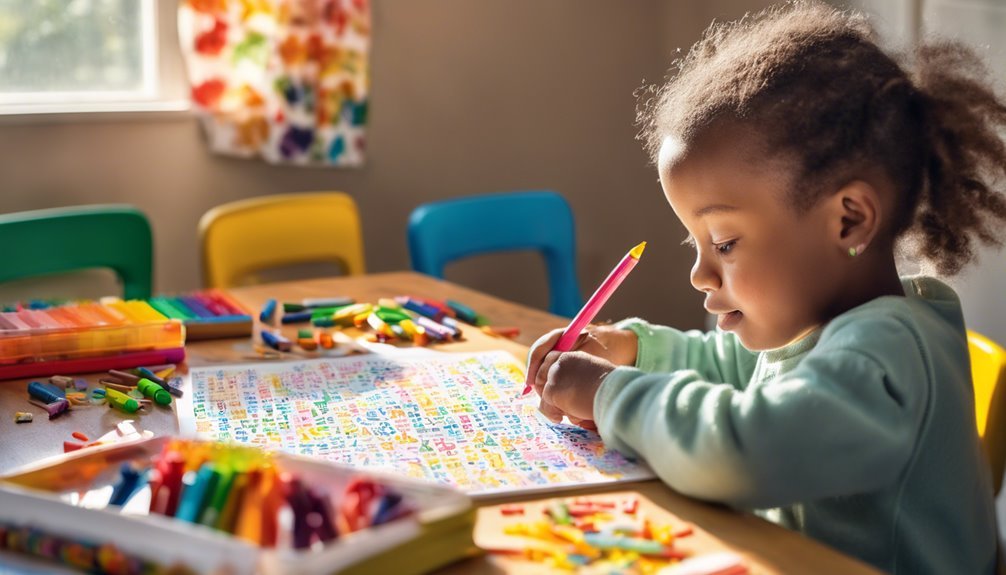
While you might think of puzzles as just a fun activity, they actually play a crucial role in enhancing problem-solving abilities in preschoolers. Engaging with word search puzzles encourages kids to develop effective problem-solving strategies.
As they search for letters and words, they learn to analyze patterns, identify missing elements, and strategize their next moves. This process significantly contributes to their cognitive development, as it sharpens critical thinking skills and boosts their ability to tackle challenges.
Moreover, the satisfaction of completing a puzzle reinforces their persistence and resilience. So, when your child enjoys these puzzles, they're not just having fun; they're building a strong foundation for future problem-solving success.
Embrace this learning journey through play!
Different Themes to Keep Learning Engaging
Kids thrive on variety, and incorporating different themes into word search puzzles can make learning even more engaging.
Consider using animal themes that introduce kids to various creatures, sparking their curiosity about the animal kingdom. Seasonal themes can teach them about weather changes and seasonal activities, while food themes can explore different cuisines and healthy eating.
Transportation themes help familiarize them with vehicles and travel, igniting their imagination. Nature themes can connect them to the environment, encouraging exploration of plants and wildlife. Lastly, holiday themes can celebrate traditions and cultural awareness.
Each theme not only keeps learning fun but also enhances vocabulary and comprehension, making word searches a dynamic tool in your child's educational journey.
Tips for Choosing the Right Word Search Puzzle Book

When selecting the perfect word search puzzle book for preschoolers, it's essential to consider their developmental stage and interests.

Look for books that offer various word search formats, such as themed puzzles or illustrated options, to keep things engaging. Ensure the puzzles are age-appropriate in difficulty, featuring simple words and larger grids that won't overwhelm your child.
Check that the themes align with their favorite subjects, whether it's animals, colors, or seasons. This connection will enhance their interest and motivation to learn.
Finally, preview the content to ensure it's visually appealing and easy to navigate. Choosing the right puzzle book can make learning letters a delightful experience for your little one!
Making Word Searches Interactive and Fun
There's something exciting about turning word searches into interactive adventures for preschoolers. You can transform standard puzzles into engaging activities by incorporating creative designs that spark their imagination.
For instance, use themed word searches based on their favorite animals, colors, or characters. Adding colorful illustrations alongside the words can make the experience visually appealing and enjoyable.
Consider creating interactive puzzles where kids can earn stickers for every word they find. This not only motivates them but also reinforces a sense of achievement.
You might also encourage group participation, allowing them to collaborate and share strategies. By making word searches dynamic and fun, you'll not only enhance their learning experience but also foster a love for letters and words that lasts a lifetime.
Incorporating Word Searches Into Daily Learning Routines

Incorporating word searches into daily learning routines can be a fantastic way to reinforce vocabulary and enhance cognitive skills. You can start with a short word search during breakfast, turning it into a fun family activity. This simple addition not only boosts learning engagement but also makes your routine enjoyable.
Consider setting aside a few minutes before bedtime for a winding-down word search, helping your child relax while still learning. By integrating these puzzles into various parts of the day, you foster a love for words and critical thinking.
Plus, it's a great way to track progress over time. Remember, consistency is key—make word searches a regular part of your child's learning journey!
Encouraging Family Participation in Learning
While enhancing your child's learning experience, involving the whole family can make a significant difference. When you turn word searches into a family game, you create an enjoyable atmosphere that encourages collaboration. Gather everyone around the table, and make it a fun bonding activity.
As you and your child work through the puzzles, you'll naturally reinforce letter recognition and vocabulary skills. Learning together strengthens relationships and fosters a love for education.
Encourage family members to cheer each other on and share strategies for finding words. This not only makes learning engaging but also shows your child that education is important to the family. Your active participation can spark curiosity and passion for learning that lasts a lifetime.
Real-Life Success Stories: Kids Who Love Word Searches

Many kids discover a love for word searches that not only boosts their reading skills but also enhances their problem-solving abilities.
Take, for example, a little girl named Emma. She started with simple puzzles and gradually became a puzzle enthusiast. Her confidence soared as she completed more challenging word searches, and her vocabulary expanded significantly.
Similarly, a boy named Liam, initially struggling with letters, found success through engaging in these puzzles. His success stories show how word searches can transform learning into a fun activity.
Parents and educators alike have noticed how these puzzles spark enthusiasm for reading and critical thinking. By introducing word searches, you're not just teaching letters; you're fostering a lifelong love of learning.
Frequently Asked Questions
What Age Is Appropriate for Introducing Word Search Puzzles to Preschoolers?
When considering age recommendations for introducing word search puzzles, think about starting around age four.
At this stage, kids are developing their letter recognition and problem-solving skills. Engaging them with puzzles provides benefits like enhancing cognitive abilities and promoting patience.
You'll notice they enjoy the challenge, and it can help build their confidence.
Can Word Search Puzzles Improve Fine Motor Skills in Young Children?
You might think word search puzzles are just fun, but they actually enhance fine motor development in young children.
As you guide them through the puzzle engagement, they practice grasping pencils and tracing letters. This process strengthens their hand-eye coordination and dexterity.
Plus, focusing on finding words helps sharpen their concentration.
Are There Any Online Resources for Printable Word Search Puzzles?
Absolutely, you'll find plenty of online resources offering printable word search puzzles.
Websites like Education.com and Teachers Pay Teachers provide a variety of themed puzzles suitable for different skill levels. You can easily download and print these puzzles at home.
Additionally, many educational sites offer customizable options, allowing you to create puzzles tailored to your child's interests.
Exploring these resources can make learning more engaging and fun for you and your little one!
How Long Should a Word Search Activity Last for Preschoolers?
When planning a word search activity for preschoolers, duration recommendations suggest keeping it to about 10 to 15 minutes. This timeframe helps maintain their attention and ensures engagement.
To enhance their experience, consider incorporating engagement strategies like working in pairs or creating a themed search. These tactics not only make the activity more enjoyable but also encourage collaboration and learning, allowing preschoolers to explore letters and words in a fun, interactive way.
What Are Some Common Themes for Preschool Word Search Puzzles?
When it comes to preschool word search puzzles, think of them as colorful treasure maps waiting to be explored.
You'll often find themes like animal names, seasonal themes, and colors and shapes. Family members and transportation words add a personal touch, while food items spark excitement.
These engaging themes not only make learning fun, but also help kids master essential vocabulary while honing their problem-solving skills.
Dive in and enjoy the adventure!
Conclusion
Incorporating word search puzzle books into your preschooler's routine can be as rewarding as planting seeds in a garden—you'll watch their skills flourish. Not only do these puzzles enhance letter recognition and vocabulary, but they also foster problem-solving abilities and family bonding. By making learning interactive and fun, you're setting the stage for a lifetime love of reading. So grab a puzzle book, and let the adventure in literacy begin!