
Patience in toddlers and preschoolers often looks messy at first: a pause before grabbing, a breath before protesting, a brief wait without melting down. Those small moments matter because they support self-control, social growth, and smoother daily routines. With clear expectations, calm modeling, and simple practice, children can begin to manage waiting in ways that seem modest now but shape later behavior in important ways.
Key Takeaways
- Patience develops gradually in brief waits, turn-taking, and tolerating small frustrations.
- Use predictable routines, clear expectations, and gentle reminders to reduce uncertainty during delays.
- Name feelings and offer calm reassurance to help children regulate emotions while waiting.
- Teach patience through simple waiting games and cooperative activities with short, engaging pauses.
- Praise effort and stay consistent, since fatigue, hunger, and overstimulation can affect patience.
What Patience Looks Like in Toddlers
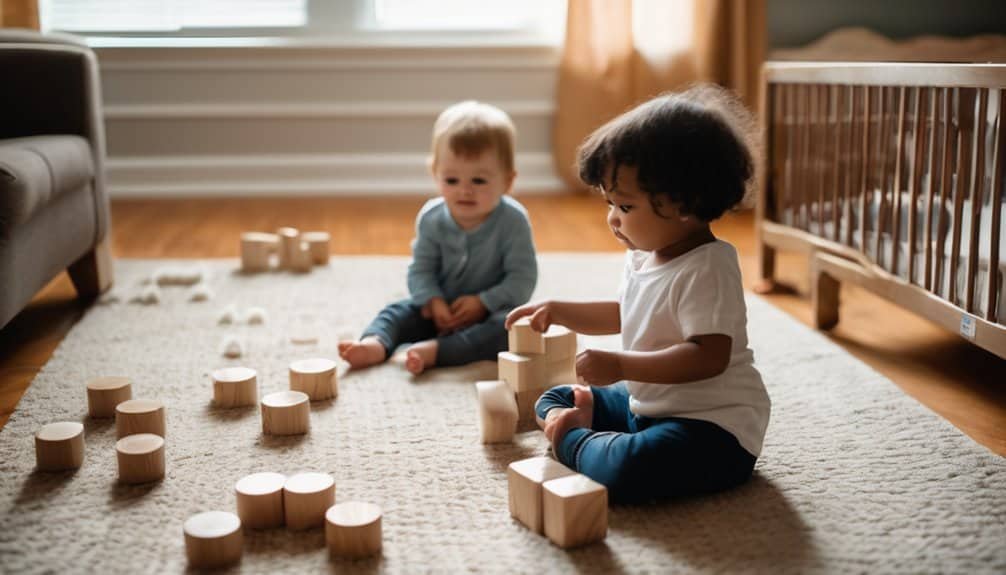
Patience in toddlers often appears in brief, imperfect moments of waiting, pausing, or tolerating frustration with adult support. In toddler behavior, this may look like standing near a toy until a turn arrives, accepting a short delay for a snack, or calming after a gentle reminder.
These moments are usually small and unstable, because patience development is still emerging alongside language, impulse control, and emotional regulation. A toddler may manage waiting one day and struggle the next, especially when tired, hungry, or overstimulated. Such variability is normal and does not signal failure.
With steady guidance, warm limits, and predictable routines, toddlers begin to associate waiting with safety, trust, and comfort, gradually building the capacity to pause a little longer over time.
Why Patience Matters for Preschoolers
For preschoolers, patience supports more than waiting; it helps them manage frustration, follow routines, and participate in group life with less distress.
It strengthens emotional development by giving children time to notice feelings, settle their bodies, and respond instead of react. With growing impulse control, they practice delayed gratification, which supports attention span and makes learning tasks easier to sustain.
Patience also builds social skills during cooperative play, where turns, sharing, and compromise require restraint. When challenges arise, frustration tolerance improves, and problem solving becomes possible because the child can think before acting.
Over time, this capacity supports confidence, smoother peer relationships, and a more secure sense that effort and waiting can lead to rewarding outcomes.
Teach Patience in Daily Routines
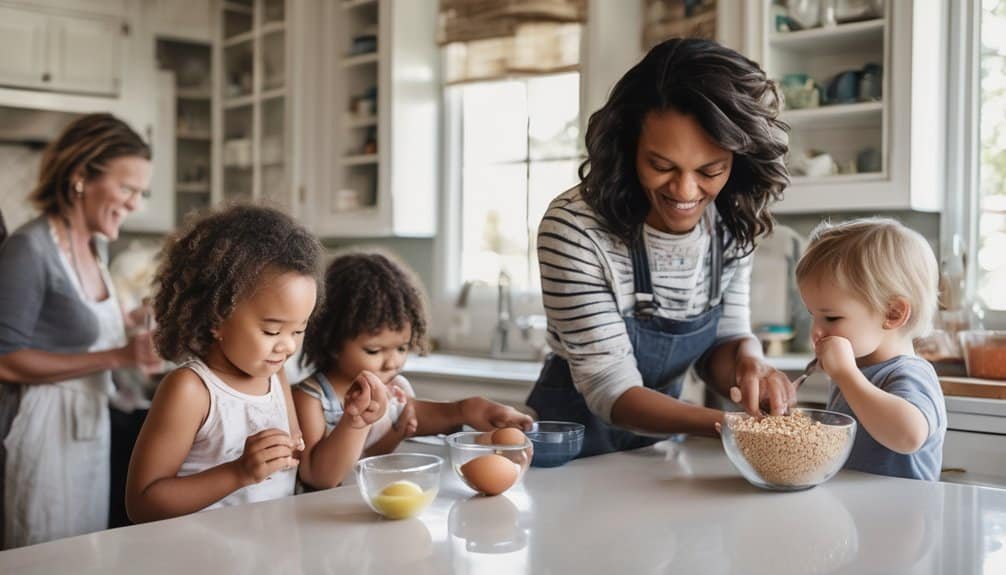
Daily routines offer some of the best opportunities to practice patience because toddlers encounter small delays throughout the day. During daily transitions, such as getting dressed, washing hands, or preparing meals, adults can name the wait and reassure the child that time will pass.
Simple waiting activities, like looking out the window, holding a spoon, or sorting socks, help the child remain engaged without feeling ignored. Predictable routines support brain development by reducing uncertainty and making delays easier to understand.
Gentle reminders, calm tone, and visual cues can strengthen self-regulation over time. When caregivers stay warm and steady, toddlers learn that waiting is manageable, secure, and temporary, which builds trust and patience in everyday life.
Practice Waiting With Simple Games
Simple games can turn waiting into a small, manageable challenge for toddlers. Waiting games such as “Red Light, Green Light,” “Simon Says,” and short hide-and-seek rounds help young children practice pausing before acting.
These turn taking activities build self-control because they offer clear rules, brief delays, and a predictable ending. Developmental research suggests toddlers learn best through repetition, movement, and warm adult guidance, so the games should stay short and playful.
A caregiver can model calm counting, praise effort, and gently reset the game when attention fades. Over time, the child begins to notice that waiting has a purpose and that patience can be part of play, not a punishment.
Help Toddlers Handle Big Feelings
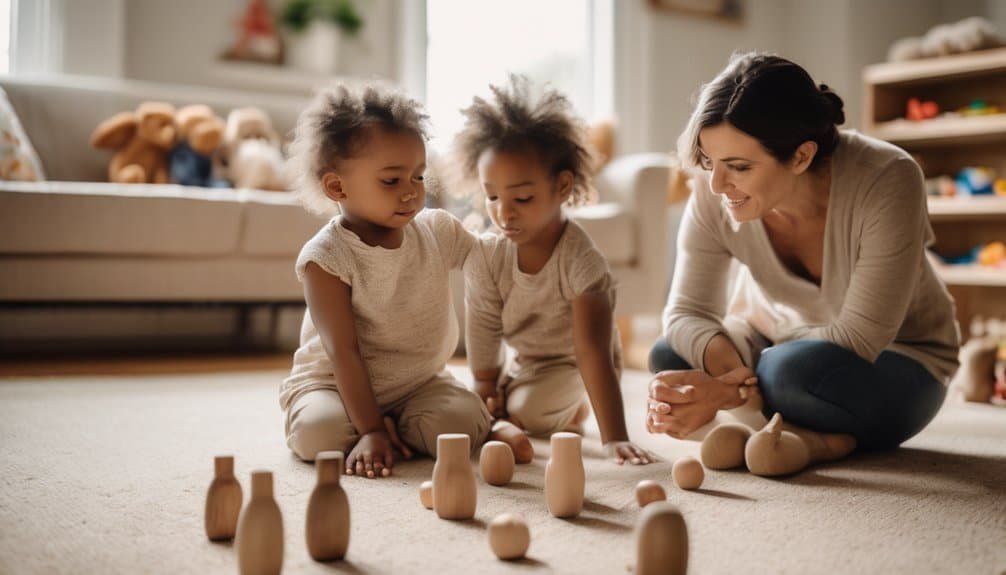
Toddlers often lose patience when strong emotions take over, so adults help most by naming the feeling, staying calm, and offering a brief, predictable response. This kind of feeling validation supports emotion regulation before big emotions spill into tantrums.
Gentle supportive language, such as “You look upset,” gives children a safe anchor while their bodies settle. Simple coping strategies work best: slow breathing, a quiet cuddle, or sensory activities like squeezing a soft toy or touching cool water.
These calming techniques also strengthen emotional expression, helping toddlers notice feelings without fear. Short mindfulness practices, such as listening for one sound, can ease distress.
With steady care, toddlers learn that intense social interactions and hard moments can be survived with comfort, connection, and patient guidance.
Set Clear Expectations for Waiting
Once a toddler feels calmer, it becomes easier to learn what waiting looks like in everyday life. Clear expectations help small children understand when an answer, snack, or turn will come. Simple waiting strategies work best when adults name the wait, give a time cue, and explain the next step. These patience techniques reduce uncertainty and build trust.
| Situation | Clear expectation |
|---|---|
| Snack time | Wait until the timer rings |
| Turn taking | Another child goes first |
| Story time | Sit until the page changes |
| Transition | Shoes on, then outside |
| Toy sharing | Wait for a turn |
Such guidance supports developing self-control. Repeated, gentle practice helps waiting feel manageable, familiar, and safe.
Model Calm Patience Yourself
Adults teach patience most effectively when they demonstrate it in real time. When a delay occurs, a steady voice, relaxed posture, and unhurried movements show toddlers that waiting is safe and manageable.
Developmental research suggests that young children borrow adult emotional regulation before they can fully manage their own. Simple mindful breathing can be narrated softly: “Breathe in, breathe out, we can wait.” This brief modeling helps children link calm behavior with self-control.
If frustration rises, adults can pause, lower stimulation, and keep expectations consistent. Such moments do more than maintain order; they quietly build trust, because the child feels held by an adult who can stay present, patient, and warm while needs are being met.
Praise Small Signs of Patience
Small moments of waiting deserve notice, because toddlers build patience through repeated, supported success. A gentle voice can praise quiet moments when a child pauses before grabbing, and celebrate small victories when a turn is accepted with less protest.
Research on early self-regulation suggests that specific, immediate feedback helps children connect behavior with outcome.
- Name the waiting: “You kept your hands still.”
- Notice effort: “That was hard, and you stayed with it.”
- Reinforce progress: “You waited for the red cup.”
- Offer warmth: a smile, touch, or brief hug.
Such recognition feels intimate and safe, helping patience grow without pressure. Over time, toddlers learn that calm choices are seen, valued, and worth repeating.
Common Patience Mistakes to Avoid
Common patience mistakes often come from expecting too much too soon, because toddlers are still learning impulse control, waiting, and emotional regulation.
Adults may also overlook frustration triggers, such as hunger, fatigue, or overstimulation, then interpret the child’s reaction as defiance.
Another common error is offering waiting strategies without practice, which leaves little one unsupported when delays happen.
Long explanations in the moment can overwhelm a young child; brief, calm guidance works better.
Inconsistent responses also confuse children, because patience grows through predictable routines and repeated modeling.
Gentle limits, clear expectations, and small chances to wait help build confidence.
When caregivers stay steady and responsive, a child feels understood, and patience becomes a learned skill rather than a demand.
Frequently Asked Questions
How Can I Tell if My Toddler Is Developmentally Ready for Patience Training?
Developmental signs suggest toddler readiness when the child can briefly wait, follow simple directions, and recover from mild frustration. Observing patience cues, such as eye contact and self-soothing, helps indicate readiness for gentle training.
What Patience-Building Strategies Work Best for Children With Sensory Sensitivities?
Sensory breaks, not overload; mindful breathing, not escalation. Children with sensory sensitivities often benefit most from predictable routines, visual timers, gentle transitions, and short waits, paired with warm reassurance and gradual practice, supporting regulation and patience.
How Do I Teach Patience When My Child Has a Sibling Rivalry Issue?
Sibling rivalry is eased by coaching brief turn-taking, naming feelings, and praising sibling cooperation. Structured sharing games, predictable routines, and calm adult modeling help children practice waiting, repair conflicts, and feel securely connected.
Can Screen Time Affect a Toddler’s Ability to Wait Calmly?
Yes—evidence suggests screen time may briefly reduce a toddler’s ability to wait calmly, likely by overstimulating attention and emotional regulation. Still, balanced limits and responsive caregiving can help children practice patience and self-soothing warmly.
When Should I Seek Help for Extreme Impatience in My Preschooler?
Help should be sought if extreme impatience is frequent, disrupts daily life, or comes with aggression, sleep problems, or developmental concerns. Expert advice can identify impatience triggers and guide nurturing, evidence-based support.
Conclusion
Patience grows through gentle guidance, daily practice, and predictable routines. When toddlers and preschoolers are given simple chances to wait, name feelings, and watch calm adults, they begin to build self-control and confidence. Small successes matter. Steady support, clear expectations, and warm praise help waiting feel manageable. With patient practice and positive modeling, young children slowly learn that delay is not defeat, but a chance to develop resilient, ready hearts.