Did you know that baby-led and scheduled parenting can significantly influence your child’s development? While baby-led parenting focuses on natural cues and autonomy, scheduled parenting emphasizes routine and structure. Each approach offers unique benefits that cater to different family dynamics. Understanding these methods can help you make informed decisions about your parenting style, but the key lies in finding the right balance for your family. What factors should you consider as you navigate these choices?
Key Takeaways
- Baby-led parenting fosters independence and self-regulation by allowing children to respond to their natural cues and explore freely.
- Scheduled parenting provides a structured routine, enhancing predictability and security for both children and parents.
- Child temperament and parental backgrounds significantly influence the effectiveness of each parenting style.
- Many families benefit from combining both approaches, adapting as their child’s needs and growth milestones change.
- Flexibility in parenting methods can lead to a richer, more fulfilling experience while meeting diverse family needs.
Understanding Baby-Led Parenting

When you embrace baby-led parenting, you’re adopting a philosophy that prioritizes your child’s natural cues and instincts over a strictly scheduled routine. This approach encourages you to observe and respond to your baby’s cues, fostering a deeper connection.
Instead of enforcing rigid feeding practices, you allow your child to dictate when and how much they eat. This method can lead to increased autonomy and a positive relationship with food.
Research suggests that tuning into these baby cues not only helps with emotional development but also promotes healthy eating habits. By trusting your child’s instincts, you create a nurturing environment where they feel safe exploring their needs, ultimately supporting their growth and well-being.
Key Principles of Scheduled Parenting
Scheduled parenting revolves around structured routines that provide predictability and stability for both parents and children. By establishing these scheduled routines, you can enhance time management and create a nurturing environment.
Here are key principles to consider:
- Consistency: Regular schedules help your child understand expectations.
- Flexibility: While routines are important, be open to adjustments as needed.
- Balance: Incorporate playtime and downtime alongside structured activities.
- Communication: Discuss routines with your child to foster understanding.
- Monitoring: Regularly assess how routines are working and make changes if necessary.
Benefits of Baby-Led Parenting
Baby-led parenting offers numerous advantages that can foster independence and confidence in your child. By encouraging baby autonomy, you empower your little one to make their own feeding choices, promoting healthy habits. This approach aligns with developmental milestones, enhancing emotional intelligence and decision-making skills.
Here’s a quick overview of some benefits:
| Benefit | Description |
|---|---|
| Exploration Freedom | Kids explore their environment freely. |
| Sensory Experiences | Engaging with various textures and tastes. |
| Trust Building | Strengthens the bond between parent and child. |
As your child develops healthy sleep habits and engages in self-directed play, you’ll notice increased parental bonding. Baby-led parenting lays the foundation for a confident, resilient individual ready to take on the world.
Advantages of Scheduled Parenting
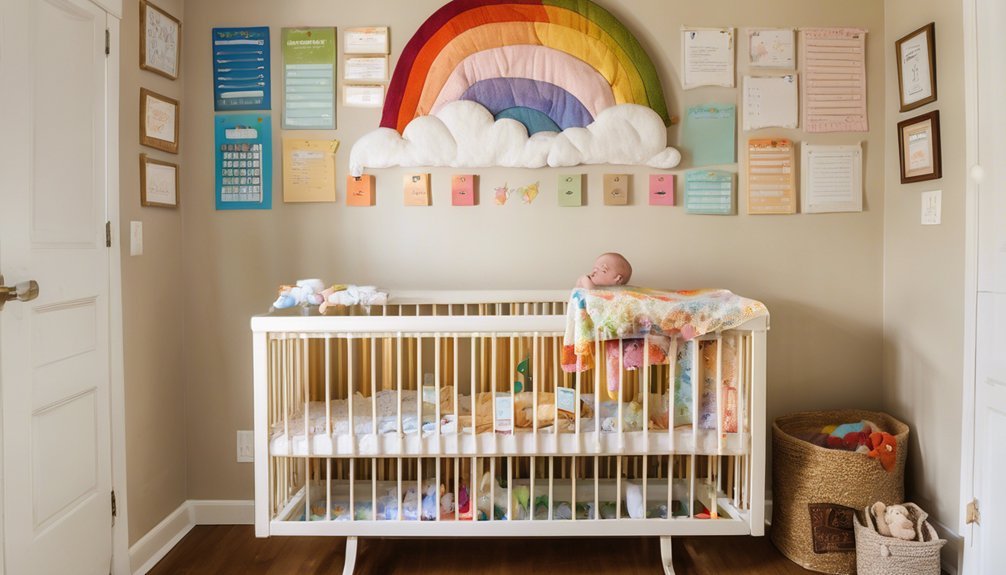
While some parents prefer a flexible approach, many find that scheduled parenting provides structure and predictability for both themselves and their children.
Embracing structured routines can enhance your family’s daily rhythm and help you manage your time effectively. Here are some advantages of scheduled parenting:
- Enhanced time management: You can allocate specific times for meals, naps, and play, reducing chaos.
- Consistency for kids: Children thrive on routine, which can foster security and reduce anxiety.
- Easier transitions: Predictable schedules make it simpler for kids to adjust between activities.
- Parental bonding: Set times for family activities can strengthen relationships.
- Clear expectations: Everyone knows what to expect, which can minimize behavioral issues.
Incorporating these elements can lead to a harmonious family environment.
Considerations for Baby-Led Parenting
As you explore parenting styles, it’s important to consider the principles behind baby-led parenting, which emphasizes allowing your child to take the lead in their own development. This approach aligns with your parental instincts, fostering a strong bond through responsive caregiving.

By observing your child’s cues, you can create an environment that respects their unique pace and preferences.
Baby-led parenting encourages autonomy, helping your little one develop confidence and self-regulation. It also promotes a deeper understanding of their needs and emotions, enhancing your connection.
However, remember that this style requires patience and flexibility, as it may not fit every family’s rhythm. Balancing your instincts with the demands of daily life is key to successfully embracing this nurturing approach.
Factors to Keep in Mind With Scheduled Parenting
Scheduled parenting revolves around the idea of establishing routines and predictability in your child’s daily life. This method can enhance time management and help you create a structured environment.
Here are some key factors to consider:
- Consistent sleep schedules: Regular bedtimes promote better sleep quality for your child.
- Meal timing: Structured meal times can aid digestion and reduce fussiness.
- Flexibility: Be prepared to adjust schedules as your child grows.
- Parental involvement: Your presence during routines strengthens bonds and builds trust.
- Monitoring responses: Keep track of how your child reacts to the schedule, adjusting as needed.
Child Temperament and Parenting Styles

Understanding your child’s temperament is crucial when deciding on a parenting style, since it can significantly influence their behavior and emotional responses. Recognizing your child’s personality traits helps you adapt your strategies to their unique needs.
For instance, a spirited child may require more patience and structured routines, while a more easygoing child might thrive with flexibility. Consider how individual differences impact parenting compatibility; what works for one child may not suit another.
As your child progresses through various developmental stages, their behavioral patterns will evolve. By employing adaptive strategies that align with their temperament, you can foster a supportive environment that nurtures their growth and emotional well-being, ultimately enhancing your bond and their resilience.
Family Dynamics and Their Impact on Parenting Choices
When considering parenting choices, family dynamics play a vital role in shaping approaches and strategies. Understanding your family’s unique structure can influence your parenting style and the roles you adopt.
Here are some key factors to consider:
- Parental backgrounds: Your upbringing may inform your choices.
- Siblings’ influence: They can affect your parenting style through their experiences.
- Cultural expectations: Different cultures prioritize various family roles and parenting styles.
- Support systems: The presence or absence of extended family support can sway decisions.
- Communication patterns: Open dialogue can foster a more flexible approach to parenting.
Recognizing these dynamics helps you navigate your parenting journey more effectively, ensuring that your choices resonate with your family’s values and needs.
Balancing Flexibility and Structure
While many parents strive to create a harmonious environment for their children, balancing flexibility and structure can be a challenging endeavor. Embracing flexible routines allows you to adapt to your child’s needs while maintaining a sense of predictability. This approach fosters structured freedom, enabling your little one to explore within safe boundaries.
| Aspect | Flexible Routines | Structured Freedom |
|---|---|---|
| Definition | Adaptable daily schedules | Freedom within guidelines |
| Benefits | Encourages independence | Promotes creativity |
| Challenges | Can feel chaotic at times | May limit spontaneity |
| Best for | Highly active children | Curious, self-motivated kids |
Real-Life Experiences From Parents

Many parents find that their real-life experiences with baby-led and scheduled parenting reveal the unique challenges and rewards of each approach.
Parenting anecdotes often highlight the emotional rollercoaster that comes with both methods. Here are some real-life stories shared by parents:
- Baby-led parenting fosters independence and encourages self-regulation.
- Scheduled parenting provides a sense of security and predictability.
- Some parents experience stress when balancing spontaneity and structure.
- Others find joy in the flexibility of baby-led approaches, allowing for personal exploration.
- A few families combine both methods, adapting as their child grows.
These experiences illustrate that there’s no one-size-fits-all solution, and what works for one family mightn’t work for another.
Embracing these differences can lead to a richer parenting experience.
Adapting Your Approach as Your Child Grows
As your child develops, adapting your parenting approach becomes essential to meet their evolving needs and preferences. Recognizing key growth milestones, such as crawling, walking, and talking, helps you tailor your strategies effectively.
For instance, during the toddler phase, you might shift from a structured schedule to more flexible, child-led interactions, encouraging independence and exploration. This parenting evolution fosters a supportive environment where your child feels secure while discovering their capabilities.
Stay attuned to their interests and emotional cues, adjusting your methods as they transition through various stages. Engaging in open communication and observing behaviors can significantly enhance your relationship, ensuring your approach aligns with their growing personality and needs.
Ultimately, flexibility is vital for nurturing a healthy, responsive parenting dynamic.
Making the Right Choice for Your Family
Choosing the right parenting style for your family involves carefully considering your values, your child’s personality, and your family’s unique dynamics. Understanding different parenting philosophies can help you make an informed decision.
Here are key factors to consider:
- Your family’s core values
- Your child’s temperament and needs
- Flexibility in daily routines
- Long-term parenting goals
- The influence of external support (family, friends)
Frequently Asked Questions
How Do Baby-Led Parenting and Scheduled Parenting Affect Sleep Patterns?
Sleep training impacts your infant’s routines significantly. When you prioritize consistent sleep patterns, you’ll likely notice improved sleep quality. Balancing flexibility with structure can help you both adapt and thrive during this critical developmental phase.
What Are the Costs Associated With Each Parenting Style?
When you weigh the costs associated with parenting styles, consider financial implications and emotional costs. Each choice can lead to different expenses and stress levels, impacting your well-being and family dynamics in unique ways.
Can I Combine Baby-Led and Scheduled Parenting Approaches?
You can absolutely blend methods for a flexible approach. Combining the strengths of both styles allows you to adapt to your child’s needs while maintaining structure, fostering a nurturing environment that encourages growth and independence.
How Do Cultural Factors Influence Parenting Style Choices?
Cultural beliefs and societal norms shape your parenting style choices significantly. They influence your values, expectations, and practices, impacting how you approach child-rearing and interact with your child, creating a unique familial environment reflective of your culture.
What Resources Are Available for Learning More About These Methods?
Think of parenting as a grand adventure. You can explore books, enroll in online courses, attend workshops, and join parenting forums for insights and support. These resources will guide you on your journey with confidence.
Conclusion
In the garden of parenting, both baby-led and scheduled methods serve as paths that lead to flourishing growth. You can cultivate independence with baby-led practices while nurturing stability through structured routines. Just as a gardener observes the weather and adjusts their care, you too can adapt your approach as your child evolves. Ultimately, the right choice lies in blending these paths, ensuring your family thrives in harmony, like a vibrant ecosystem where each plant contributes to the whole.