Choosing the best finger foods for toddlers starts with texture, size, and safety. Soft fruits, tender vegetables, and simple protein foods can support self-feeding while helping reduce choking risks. The most useful options are often easy to hold, mild in flavor, and rich in nutrients. Some foods work better than others, especially for picky eaters and busy mealtimes, and the differences are worth noting.
Key Takeaways
- Choose soft foods toddlers can chew easily, like ripe banana, avocado, mango, peach, and pear.
- Offer soft-cooked vegetables such as carrots, zucchini, cucumber batons, and avocado slices.
- Include protein foods like scrambled egg strips, soft beans, shredded chicken, flaked salmon, or thin nut butter on toast.
- Cut foods into small, pea-sized pieces or thin strips to reduce choking risk.
- Supervise meals and quarter round foods like grapes or cherry tomatoes lengthwise.
What Makes a Good Finger Food for Toddlers?
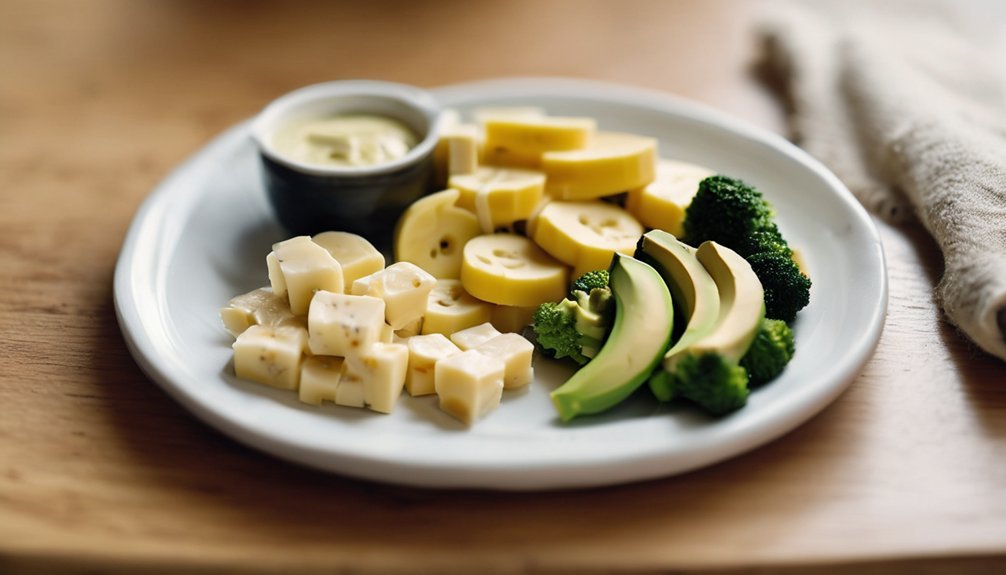
A good finger food for toddlers is soft enough to chew easily, cut into small pieces, and shaped for a secure grip. Caregivers are encouraged to choose foods that support nutritional balance, offering protein, grains, and vegetables across the day.
The best options help little hands practice self-feeding while reducing choking risk through size and texture. Texture variety matters because it keeps meals interesting and can gently widen acceptance of new foods.
Foods should hold together well, not crumble excessively, and be easy to manage without much help. Mild flavors and familiar shapes often work well for young children.
A practical approach is to offer a few safe choices at each meal, allowing the toddler to explore, learn, and eat with confidence.
Best Soft Fruits for Toddlers
Soft fruits are often among the easiest finger foods for toddlers because they are naturally tender, mild in flavor, and simple to grasp when cut into small pieces. Ripe banana, avocado, mango, peach, pear, and blueberry offer gentle textures that suit small mouths and developing chewing skills.
Their nutritional benefits include fiber, vitamin C, potassium, and healthy fats, which support growth and regular digestion. Careful fruit preparation matters: peel where needed, remove pits, and slice grapes or berries as appropriate to reduce choking risk.
Serving fruit at a soft but not mushy stage helps toddlers practice self-feeding with confidence. Offering one fruit at a time can also help caregivers notice preferences and identify any sensitivity with calm attention.
Easy Veggie Finger Foods Toddlers Can Hold
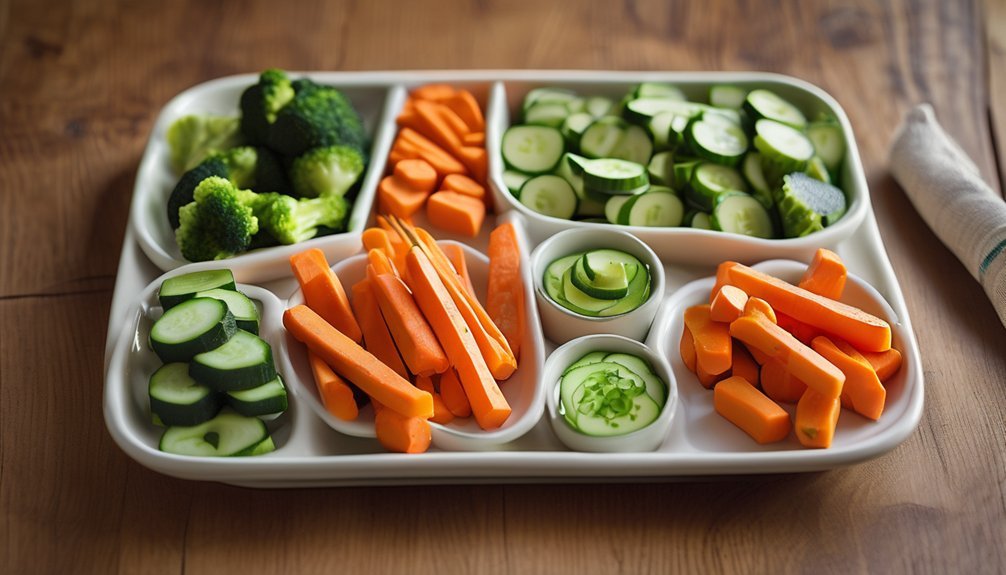
Vegetables can offer the same toddler-friendly ease as soft fruits when they are prepared in simple, graspable shapes. Soft-cooked carrots, steamed zucchini spears, cucumber batons, and avocado slices can be sized for small hands and gentle bites.
Veggie sticks work well when they are tender enough to bend slightly without breaking, which helps reduce frustration during self-feeding. Mild dip options, such as plain yogurt or hummus, can add moisture and encourage interest without overwhelming young palates.
Pieces should be served in short lengths and checked for firmness to suit each child’s chewing skills. Offering a few colors and textures at once can support exploration while keeping mealtime calm, familiar, and responsive to the toddler’s pace.
Protein-Packed Toddler Finger Foods
Protein-rich finger foods can help toddlers build steadier energy and support growth when they are served in small, manageable pieces. Soft beans, scrambled egg strips, shredded chicken, flaked salmon, and smooth nut butter thinly spread on toast fingers offer practical nutritional benefits.
Each option can be cut or mashed to reduce choking risk and to fit small hands. Careful portion control helps toddlers explore hunger cues without becoming overwhelmed, and it keeps meals calm and predictable.
Variety matters, because different proteins supply iron, zinc, and amino acids that support developing bodies. A gentle approach, with familiar textures and repeated exposure, often helps toddlers accept these foods more readily.
Caregivers can offer one protein choice alongside water and simple encouragement at regular mealtimes.
Whole-Grain and Dairy Finger Foods for Toddlers
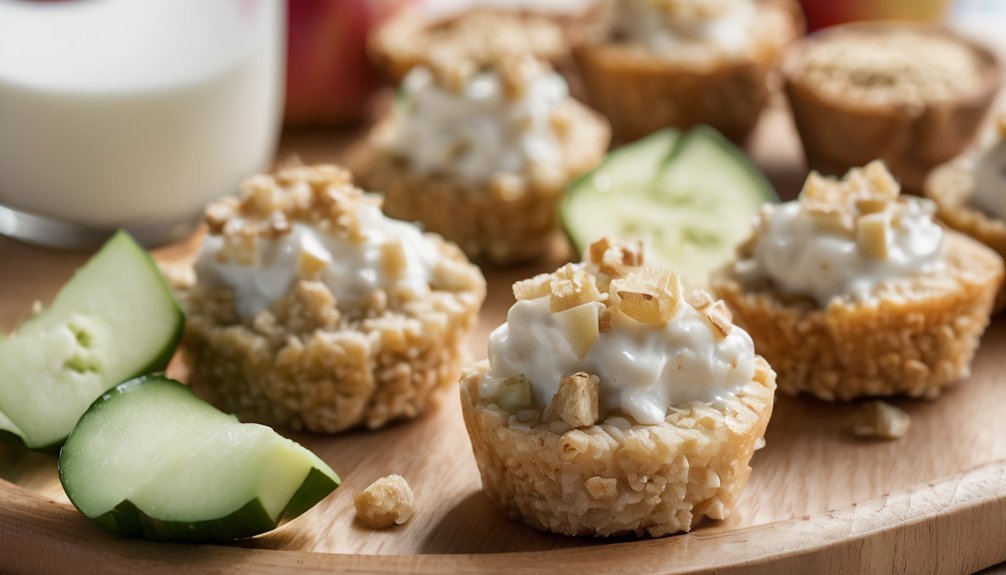
Whole-grain and dairy finger foods can give toddlers a useful mix of energy, calcium, and sustained fullness when served in safe, easy-to-grasp forms. Small oats, soft whole-wheat toast strips, and mini whole-grain pancakes offer practical whole grain options. Mild cheese cubes, plain yogurt drops, and fortified dairy alternatives can support bone needs.
| Food | Benefit |
|---|---|
| Oat squares | Fiber and steady energy |
| Toast fingers | Easy chewing practice |
| Cheese cubes | Calcium and protein |
| Yogurt drops | Gentle, spoon-free dairy |
Soft textures matter, since young mouths manage them best. Items should be cut to prevent choking and offered without added sugar or excess salt. Water should accompany these foods, helping meals stay balanced and calm.
Toddler Finger Foods for Picky Eaters
Repeated exposure matters; research suggests children may accept a food after seeing it many times without pressure. Small portions of creative combinations, such as apple with yogurt dip or peas mixed into mashed potatoes, can support taste exploration while keeping meals gentle.
A calm routine helps toddlers feel secure enough to sample new items. When caregivers offer one or two familiar choices alongside a new food, acceptance may improve over time, especially when the child can touch, smell, and self-feed each bite.
Safe Serving Tips for Toddler Finger Foods
Small, toddler-sized portions reduce choking risk and make self-feeding easier. Caregivers can practice healthy portioning by offering one to two bite-size pieces at a time, then adding more as the child finishes.
Soft fruits, cooked vegetables, shredded meats, and small pasta shapes support safe chewing, while texture variety helps toddlers learn to manage different foods. Foods should be cut into pea-sized pieces or thin strips, and round items such as grapes or cherry tomatoes should be quartered lengthwise.
Meals are safest when toddlers sit upright, stay supervised, and eat calmly without running or playing. Sticky nut butters, hard candies, and popcorn should be avoided.
Water nearby and patient pacing help little hands and mouths stay comfortable, confident, and safe.
Frequently Asked Questions
When Can Toddlers Start Eating Finger Foods?
Toddlers can start finger foods around 8 to 10 months, when pincer grasp and oral skills improve. Support toddler development with safe options like soft fruit, cooked vegetables, and small pasta, offered closely supervised.
How Do I Introduce New Finger Foods Safely?
Introduce new finger foods one at a time, in small, soft pieces, while supervising closely. Allergy considerations matter, so wait between foods. Offer flavor variety gradually, watching for choking signs and acceptance, with patience.
What Size Should Toddler Finger Foods Be?
Studies show most choking incidents involve foods smaller than a toddler’s airway. Toddler finger foods should be cut into appropriate shapes and serving sizes, about pea to stick size, to support safe, confident self-feeding.
Can Toddlers Eat Finger Foods Without Teeth?
Yes—toddlers can eat finger foods without teeth if foods are very soft. Gumming foods, teething snacks, nutritious options, and safe textures help them manage chewing with their gums while reducing choking risk.
How Often Should Toddlers Have Finger Foods?
Toddlers should have finger foods at most meals and planned snacks, as if tiny monarchs demand a banquet every few hours. Consistent meal timing and portion control support appetite, growth, and self-feeding.
Conclusion
Toddler finger foods work best when they are soft, nutrient-dense, and cut into small pieces that are easy to grasp and chew. Research shows that choking is among the leading food-related safety concerns for children under age 4, making safe preparation especially important. A mix of fruits, vegetables, proteins, and whole grains can support growth while helping picky eaters explore new textures. With close supervision, mealtime can stay both safe and positive.