
When it comes to your infant’s safety, electrical outlets pose a significant risk. Their natural curiosity can lead to dangerous situations if they tamper with outlets. It’s crucial to implement safety measures to protect your little ones. From outlet covers to maintaining a clutter-free environment, every step matters. In this discussion, you’ll discover practical tips to minimize risks and create a safer home for your child. What other precautions should you consider?
Key Takeaways
- Use outlet covers to prevent tampering by infants, significantly reducing the risk of electrical injuries.
- Ensure thorough childproofing by securing furniture, covering exposed wires, and keeping harmful substances out of reach.
- Regularly inspect electrical outlets and cords for wear and tear, addressing any potential hazards promptly.
- Educate older children about electrical safety and the importance of not tampering with outlets.
- Have a fire safety plan in place, including emergency numbers and smoke detectors in every room.
Understanding the Risks of Electrical Outlets

Electrical outlets pose significant risks to infants, as their curiosity often leads them to explore their surroundings in potentially dangerous ways.
You mightn’t realize that these outlet hazards can result in severe electrical injuries. Babies are naturally drawn to plugs and cords, often attempting to touch or insert objects into outlets. This behavior can lead to shocking consequences, including burns or even life-threatening injuries.
It’s crucial to be aware that even a brief moment of distraction can result in a tragic accident. By understanding these dangers, you can take proactive steps to safeguard your little one’s environment.
Prioritizing outlet safety is essential to ensure your infant’s exploration doesn’t result in harm. Stay vigilant and always consider the potential risks in your home.
The Importance of Outlet Covers
One effective way to enhance your home’s safety is by installing outlet covers.
These protective devices are essential in preventing curious infants from tampering with electrical outlets. According to outlet safety statistics, a significant number of electrical injuries could be avoided with proper outlet covers.
When choosing the right outlet covers, consider the following materials:
- Plastic: Lightweight and easy to install.
- Rubber: Provides a snug fit, making it harder for little fingers to remove.
- Metal: Offers durability and long-lasting protection.
Types of Outlet Covers Available
Outlet covers come in various types, each designed to enhance safety by addressing different needs and preferences.
Basic plastic outlet covers are the most common and fit snugly over outlets, preventing little fingers from reaching inside.
If you’re looking for something more visually appealing, decorative outlet covers are available, adding a touch of style while keeping safety a priority.
You might also consider sliding outlet covers, which can be opened easily by adults but remain secure against curious toddlers.
Another option is outlet plugs, which insert directly into the outlet, but they can be removed by older children.
Whichever outlet cover types you choose, ensure they’re installed properly to give your little one a safe environment.

Installing Outlet Covers Safely

When it comes to installing outlet covers, taking care to follow the manufacturer’s instructions is crucial for ensuring your child’s safety.
Different outlet cover types may require specific installation techniques, so be attentive. Here are some important tips to keep in mind:
- Choose the right cover: Ensure it’s compatible with your outlet type.
- Securely fasten: Push or snap the cover into place until it’s snug, avoiding loose fits.
- Regularly check: Inspect the covers often to ensure they remain intact and secure.
Childproofing Your Home: Beyond Outlet Covers
Childproofing your home involves more than just installing outlet covers; it requires a comprehensive approach to keeping your little ones safe.
Start by evaluating your space for potential hazards, like sharp furniture edges and heavy objects that could topple. Use baby proofing strategies such as securing furniture to walls and keeping harmful substances out of reach.
Also, be mindful of electrical hazard awareness—cover exposed wires and ensure cords are tucked away. Check that your appliances are in good condition to prevent overheating or short circuits.
Regularly inspect your home for new risks as your child grows. Remember, a proactive approach creates a safer environment, allowing you to focus on precious moments with your baby.
Keeping Cords and Plugs Out of Reach
To ensure your little one’s safety, it’s crucial to keep cords and plugs out of reach. Proper cord organization and strategic outlet placement can minimize risks significantly.
Here are some effective strategies to consider:
- Use cord clips: Securely attach cords to walls or furniture to prevent them from dangling.
- Hide excess length: Use cable organizers to stash away any excess cord length, keeping it tidy and inaccessible.
- Rearrange furniture: Position furniture to block access to outlets, making it harder for curious fingers to reach.
Regularly Inspecting Outlets and Cords
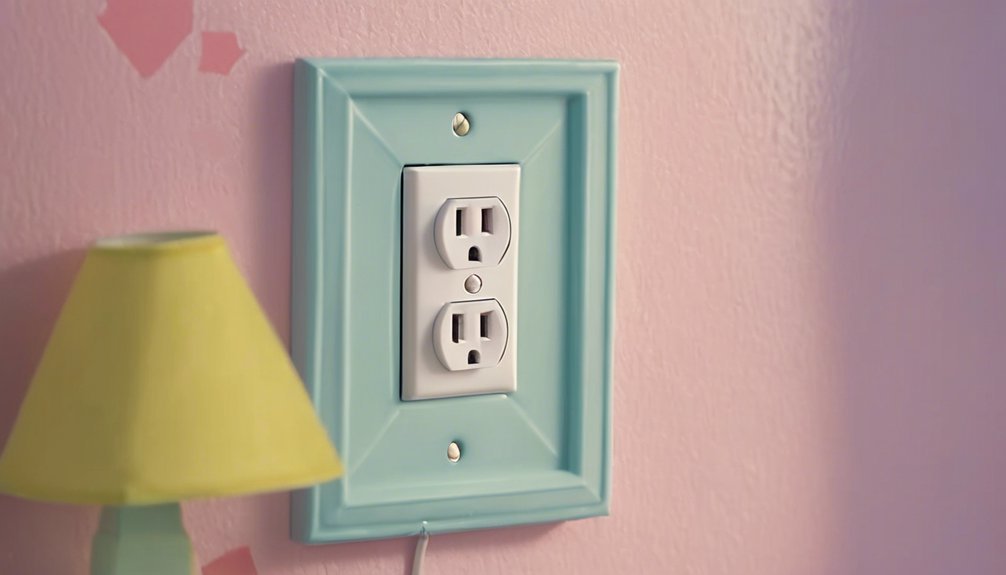
Regularly inspecting outlets and cords is essential for ensuring your infant’s safety at home. Check outlets for any signs of wear, such as cracks or loose fittings; these could pose serious hazards.
Make outlet maintenance a routine part of your home care, and replace damaged outlets immediately. Additionally, keep an eye on cords—frayed or exposed wires can be dangerous.
Use cord management solutions like clips or covers to secure loose cords and prevent tripping or tugging. By staying vigilant in these areas, you create a safer environment for your little one to explore.
Educating Older Children About Electrical Safety
How can you ensure your older children understand the dangers of electricity? It’s essential to engage them in a way that resonates.
Using interactive games and storytelling techniques can make learning about electrical safety both fun and memorable. Here are some effective methods:
- Create a Safety Story: Use relatable characters to illustrate safe and unsafe practices around electricity.
- Conduct Interactive Quizzes: Test their knowledge through quizzes that reinforce safety rules.
- Role-Playing: Let them act out scenarios involving electrical safety, helping them internalize the lessons.
Using Ground Fault Circuit Interrupters (GFCIs)
While you may think that all electrical outlets are safe, using Ground Fault Circuit Interrupters (GFCIs) can significantly enhance safety, especially in areas prone to moisture, like kitchens and bathrooms.
GFCI installation is crucial for protecting your loved ones from potential electrical shocks. These devices monitor the flow of electricity and cut off power if they detect an imbalance, preventing dangerous situations.
The GFCI benefits range from peace of mind to reduced risk of severe injuries for your infants. By installing GFCIs in key locations, you’re taking an essential step towards a safer home environment.
Identifying High-Risk Areas in Your Home
After ensuring you have GFCIs installed, it’s important to pinpoint where your home might pose risks to your infant.
Identifying high-risk rooms and unsafe furniture can help you create a safer environment. Start by examining the areas where your baby spends the most time.
Consider these high-risk spots:
- Living Room: Look for cords from electronics that are easily accessible.
- Kitchen: Be wary of outlets near countertops and cooking appliances.
- Nursery: Ensure that cribs or play areas aren’t positioned near electrical outlets or unsafe furniture.
What to Do in Case of an Electrical Emergency
In the event of an electrical emergency, quick action is crucial to ensure your infant’s safety. First, stay calm and assess the situation.
If your child is in contact with an electrical source, don’t touch them until you’ve cut off the power or unplugged the device. Call for emergency response immediately.
If your infant shows signs of shock or injury, administer electrical first aid by checking their breathing and pulse. If needed, perform CPR until help arrives.
Always keep emergency contact numbers handy and practice these steps beforehand to feel prepared.
Additional Resources for Electrical Safety
How can you ensure your home is a safe environment for your infant when it comes to electrical hazards? Familiarizing yourself with reliable resources is key.
Here are some excellent places to start:
- National Fire Protection Association (NFPA): They provide comprehensive electrical safety guidelines tailored for families.
- American Academy of Pediatrics (AAP): Their infant safety tips cover a range of topics, including electrical safety and home hazards.
- Consumer Product Safety Commission (CPSC): This organization offers updates on recalls and safety information related to electrical devices.
Frequently Asked Questions
Can Infants Recognize Electrical Outlets and Their Dangers?
Infants don’t inherently recognize outlet dangers, but their behavior can show outlet awareness through curiosity. You should remain vigilant, creating a safe environment to prevent any accidents as they explore their surroundings.
What Age Should I Start Educating My Child About Electrical Safety?
You might think your toddler’s too young for electrical safety talks, but starting around age three helps foster child safety and electrical awareness. Kids are curious—better to educate them before they find trouble on their own!
Are There Specific Outlet Covers Recommended for International Travel?
When traveling internationally, you should consider using specific international outlet covers designed for your destination. Prioritize travel safety by choosing covers that prevent accidental shocks while ensuring they fit the local electrical standards.
How Often Should I Replace My Outlet Covers?
Like a fresh coat of paint, your outlet covers need regular attention. Check their condition during safety inspections every six months and replace them every five years to ensure continued safety and functionality.
Can Electrical Outlet Safety Measures Prevent Accidents With Pets?
Yes, implementing electrical outlet safety measures significantly enhances pet safety. By covering outlets and minimizing outlet hazards, you create a safer environment for your furry friends, reducing the risk of accidents and ensuring their well-being.
Conclusion
In conclusion, prioritizing electrical outlet safety for infants is essential, as studies show that around 2,400 children under the age of 6 are injured by electrical shocks each year in the U.S. By using proper outlet covers, keeping areas clutter-free, and educating older siblings about safety, you can significantly reduce these risks. Remember, a few simple precautions can create a much safer environment for your little ones and prevent potentially devastating accidents. Stay vigilant and proactive!