Nearly 60% of families say they’d struggle to find key contact details during an emergency. You can avoid that stress with a free emergency contact sheet that keeps names, numbers, medical contacts, and backup plans in one place. It’s simple to fill out, easy to store, and useful for home, school, or travel. Before you set one aside, there’s one detail that can make it far more effective.
Key Takeaways
- A free emergency contact sheet helps families organize vital phone numbers, addresses, and medical details in one easy-to-access place.
- Include full names, relationships, phone numbers, home addresses, doctors, pharmacies, schools, and emergency services.
- Keep backup contacts like neighbors and relatives, plus allergy and medical notes, for faster response during urgent situations.
- Save copies on phones, in the cloud, and as printed versions in wallets, drawers, or go-bags for quick access.
- Review and update the sheet regularly, especially after moves, new numbers, school changes, or caregiver updates.
Free Emergency Contact Sheet Template
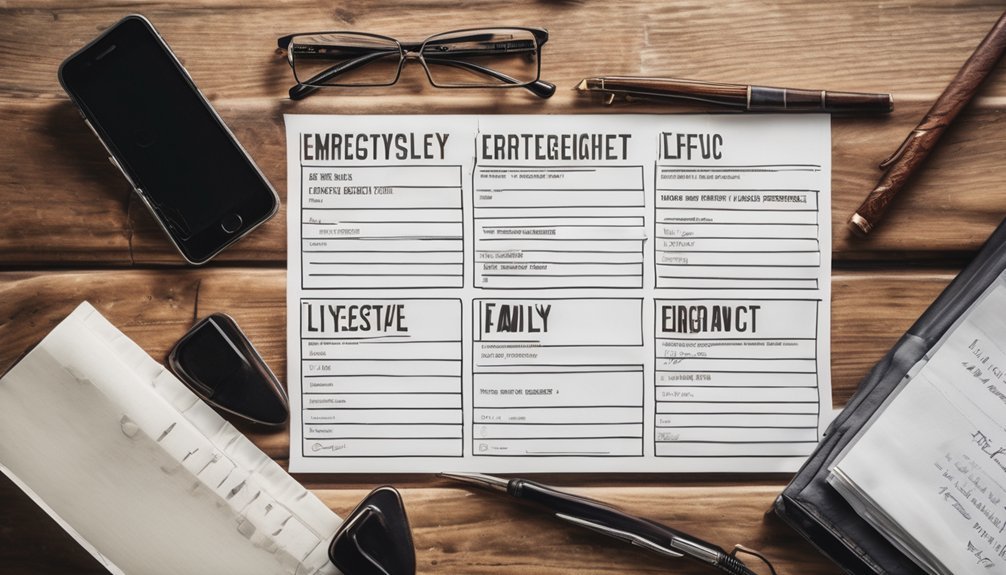
A free emergency contact sheet template can help you organize the most important phone numbers and details in one easy-to-find place. You can use it to save time, reduce stress, and keep your family prepared for urgent situations.
The template benefits are clear: it gives you a structured starting point, helps you avoid missed information, and keeps everyone aligned.
With simple customization options, you can adapt the layout to fit your household’s needs, whether you prefer a printed copy, a digital file, or both. You’ll also find it easier to update information regularly and share it with caregivers.
What to Include on Your Emergency Contact Sheet
When you build your emergency contact sheet, include the essentials first: each family member’s full name, relationship, phone numbers, and address, along with backup contacts who can step in if you can’t be reached.
This keeps your contact priorities clear during family emergencies and helps you act fast under stress.
- Primary contacts for every household member
- Trusted backups, including neighbors or relatives
- Medical contacts, such as doctors and pharmacies
- Key details like school, work, and emergency services
You should organize entries so the most urgent numbers appear first.
Keep the sheet simple, current, and easy to scan. When you choose only the information that matters most, you’ll build a reliable reference that supports quick decisions and calmer responses when time counts.
How to Fill Out Your Emergency Contact Sheet

Start by entering the most important details for each person in your family, including full name, relationship, phone number, and home address, so you can reach the right person quickly in an emergency.
Next, add backup contacts, medical notes, allergies, and any special instructions that first responders may need. Keep each entry consistent so you can scan it fast under stress.
This approach reflects emergency contact importance and strengthens family communication strategies, because everyone knows who to call and what to report.
Review each line for accuracy, then update names, numbers, and addresses whenever anything changes. You should also ask each family member to verify their own information.
When you complete the sheet carefully, you create a reliable tool that supports calm, informed action when seconds matter most.
Where to Keep Your Emergency Contact Sheet
Keep your emergency contact sheet in more than one easy-to-reach place so you can find it fast during a crisis. Use both digital storage and physical copies to build redundancy and reduce delay. Keep each version current, readable, and protected from damage.
- Save a PDF on your phone and cloud drive.
- Place printed copies in a kitchen drawer and bedside folder.
- Store one copy in your wallet, purse, or go-bag.
- Update all versions after any contact change.
You’ll make access faster when you standardize the format and label each copy clearly. Avoid hiding it in places you’ll forget.
Instead, choose spots you check often, so you can act quickly and confidently when every second counts.
Using Your Emergency Contact Sheet for School, Babysitters, and Travel

Once you’ve placed your emergency contact sheet where you can reach it fast, make a few copies for the people who care for your child away from home.
Send one to school so staff can act quickly during school emergencies and reach the right adults without delay.
Give another to your babysitter and review babysitter protocols before you leave, including who to call first, where key supplies are kept, and how you want family communication handled.
Keep a copy in your travel bag for travel safety, especially if you’re away from familiar services or crossing time zones.
You’ll help others respond with confidence when they’ve clear, current details. A well-used sheet reduces hesitation, supports consistent decisions, and gives your child a dependable safety net wherever you’re not present.
When to Update Your Emergency Contact Sheet
Review your emergency contact sheet anytime your family’s situation changes, so it stays accurate when you need it most. You should also set a regular emergency contact frequency, such as every six months, to catch outdated details before they cause delays. Knowing when to revise helps you stay prepared and confident.
- Update it after a move, new phone number, or email change.
- Revise it when a child starts school, changes caregivers, or joins activities.
- Check it after a marriage, separation, job change, or medical update.
- Reconfirm it before trips, storm season, or other higher-risk periods.
Keep a master copy, note the revision date, and share changes with everyone who relies on it. That way, your emergency plan remains dependable, current, and easy to use.
Frequently Asked Questions
Can I Share the Sheet Digitally With Relatives?
Yes, you can share it digitally with relatives. Use secure digital sharing so everyone can access updates quickly. Prioritize contact accessibility by sending the sheet through email, cloud storage, or a family messaging app.
Should Pets Be Included on the Emergency Contact Sheet?
Yes, you should include pets so you’re covered if your furry family members need a little extra care. Add pet emergency details, veterinary contacts, and feeding notes so responders can act quickly and confidently.
Can One Sheet Cover Multiple Family Members?
Yes, one sheet can cover multiple family members if you organize it clearly. You’ll strengthen family communication and emergency planning by listing each person’s details separately, using sections for contacts, medical needs, and responsibilities.
Is It Okay to Use Work Contacts as Backups?
Yes, you can use work contacts as backups, if you’ve checked workplace policies and respected contact privacy. Choose trusted colleagues who’ll answer the call, and keep your roster neat, quiet, and current.
Should I Add Medical Directives to the Sheet?
Yes—you should add medical directives if you’re comfortable sharing them. Include medical preferences, allergies, and decision making notes so responders can act quickly. Keep details brief, current, and easy for trusted contacts to understand.
Conclusion
A free emergency contact sheet for families helps you stay ready when life changes fast. You’ll keep key names, numbers, and backup details in one easy place, so you can act quickly and calmly. Keep it updated and share it where needed for school, babysitters, and travel. Like a lighthouse in a storm, it guides you when stress rises. When you prepare now, you protect your family’s peace of mind later.