
Creating a weekly meal plan for kids starts with simple meals that mix familiar favorites and healthy foods. A good plan balances fruits, vegetables, whole grains, and protein, while fitting busy family schedules. It can also include fun themes, quick prep ideas, and choices kids help make. The real challenge is keeping meals flexible enough for picky eaters, changing appetites, and the next surprise that shows up at dinner time.
Key Takeaways
- Mix familiar kid favorites with nutritious foods, including fruits, vegetables, whole grains, protein, and dairy.
- Plan meals around family schedules, using quick leftovers on busy nights and flexible options for changing activities.
- Build balanced plates with age-appropriate portions, combining protein, grains, and fruits or vegetables.
- Choose simple, repeatable meals like smoothies, wraps, quesadillas, and stir-fries to reduce stress and add variety.
- Make a smart grocery list, prep ahead, and adjust for seasonal produce, allergies, and children’s food preferences.
Plan a Kid-Friendly Weekly Menu
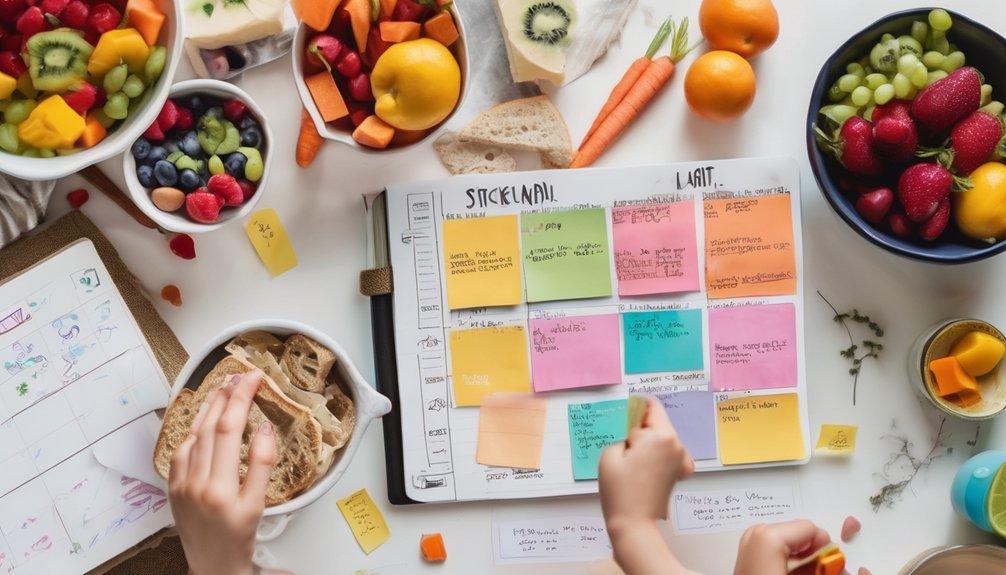
A kid-friendly weekly menu works best when it mixes familiar favorites with simple, nutritious options, making it easier for children to eat well without feeling overwhelmed.
A balanced plan can include fruit, vegetables, whole grains, protein, and dairy across the week. Small changes, like adding berries to oatmeal or carrots beside pasta, often improve acceptance.
Fun food themes can make meals feel playful, such as taco night or rainbow lunchboxes, while interactive meals invite children to build wraps, bowls, or yogurt parfaits. These choices support independence and may increase interest in healthier foods.
Repeating a few dependable meals also reduces mealtime stress. A gentle, steady rhythm helps children feel safe, satisfied, and more open to trying new foods.
Set Your Meal Plan Around Your Schedule
The best weekly meal plans match the family’s real routine, including school hours, workdays, after-school activities, and bedtime. When the family schedule is mapped first, meal prep becomes simpler and less stressful.
Busy evenings may need quick leftovers, while calmer nights can support cooking together and family involvement. Good time management also helps with grocery timing, so fresh seasonal ingredients are ready before they spoil.
Meal flexibility matters, because sports, late meetings, and tired kids can change the plan fast. A practical plan leaves room for swaps, snacks, and easy backup meals.
This approach helps children feel cared for, because dinner arrives on time and without pressure. Small adjustments can make the whole week smoother for everyone.
Build Balanced Meals Kids Will Eat
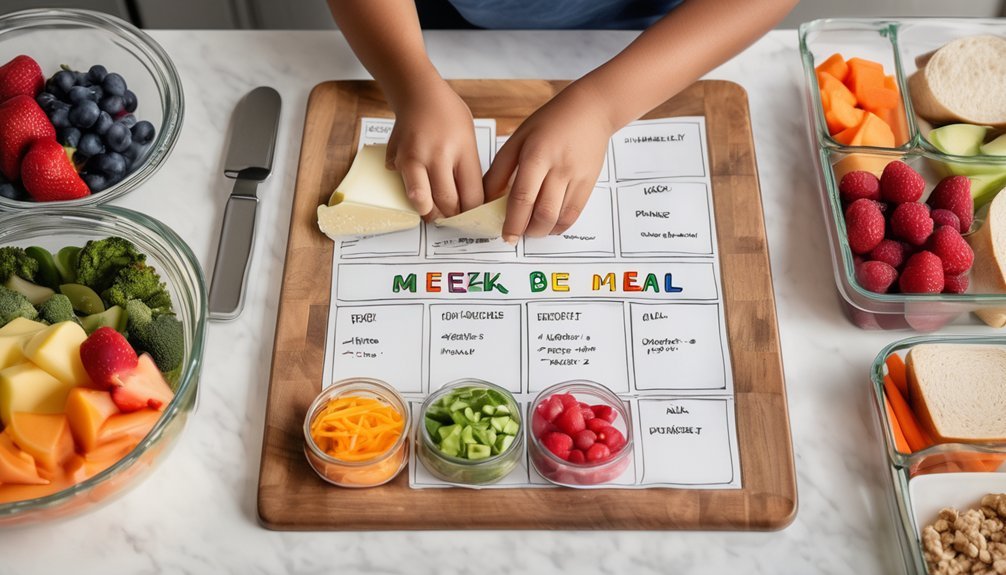
When meals include a protein, a whole grain or starchy vegetable, and a fruit or vegetable, kids are more likely to get the energy and nutrients they need to grow, learn, and stay full longer.
Balanced plates feel more inviting when they match favorite flavors and show up as colorful plates.
- Use fun shapes and healthy toppings to make foods feel friendly.
- Build interactive meals and themed nights that let children choose within set portion sizes.
- Offer texture variety with crunchy, soft, and juicy foods; cooking together supports nutritional education and makes new foods feel safer.
Small changes help meals become familiar, appealing, and nourishing without pressure.
Pick Easy Breakfast, Lunch, and Dinner Ideas
Simple breakfast, lunch, and dinner ideas help families keep weeknights calm and mealtimes predictable.
For breakfast, breakfast smoothies, oatmeal bowls, fruit parfaits, and healthy muffins offer quick choices that can be made ahead and served with little fuss.
At lunch, lunch wraps, pasta salads, and veggie quesadillas travel well in lunchboxes and let children see familiar foods in a new way.
For dinner, a dinner stir fry brings vegetables, protein, and grains together in one pan, saving time and cleanup.
Rotating these options across the week supports variety without overwhelming the family.
Keeping ingredients simple also makes it easier for children to help choose meals, which can build trust and make eating feel warm, safe, and enjoyable.
Add Healthy Snacks to the Week
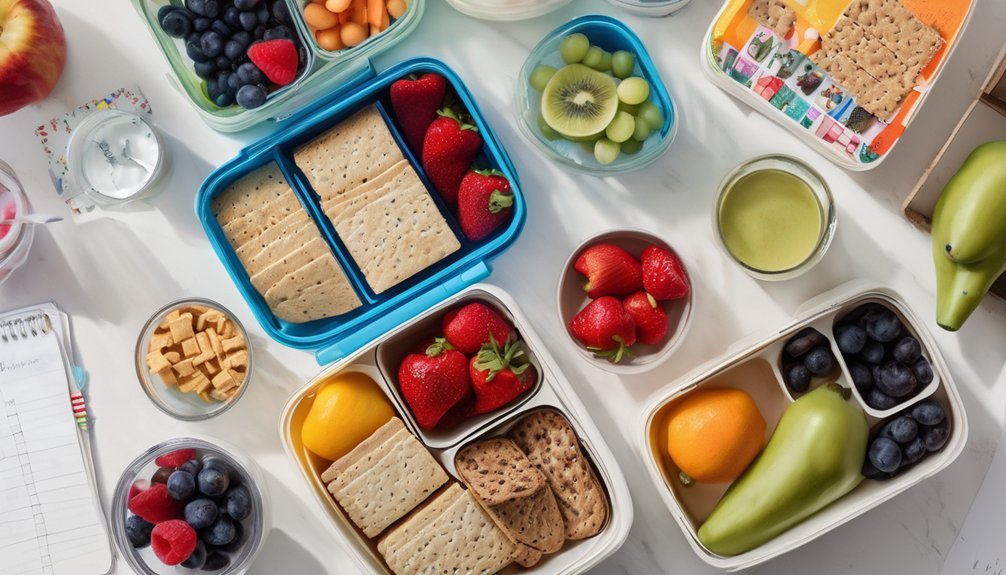
Healthy snacks can round out the weekly meal plan and help children stay satisfied between meals. Choosing nutritious options keeps energy steady and supports growth. A balanced snack variety may include protein, fiber, and healthy fats, while fun presentations can make bites feel special.
- Seasonal fruits with yogurt or cheese offer color and vitamins.
- Homemade treats, such as oatmeal bars or mini muffins, give control over sugar and ingredients.
- Quick recipes like hummus with veggies or whole-grain toast with nut butter save time and still nourish.
Simple prep tips help keep portions small and age-appropriate. Packing snacks ahead reduces stress, and portion control prevents grazing from replacing meals.
With a few rotating ideas, children can enjoy tasty, dependable snacks all week.
Make a Grocery List for the Week
A smart grocery list turns the weekly meal plan into an easy, organized trip to the store. It helps adults gather exactly what children need for breakfasts, lunches, dinners, and snacks, without extra spending or forgotten ingredients.
Grouping items by aisle supports grocery store organization and reduces wandering, which can make shopping calmer and faster. A simple list also helps check pantry staples first, so duplicates do not slip in.
Including seasonal produce selection can improve flavor, lower cost, and add variety to children’s plates. Fresh berries, apples, carrots, or squash may fit the week better depending on the season.
Clear categories such as grains, proteins, dairy, and produce make the list easy to read and share, keeping mealtime planning steady and reassuring.
Prep Kid Meals in Under an Hour
With a little planning, kid meals can be prepped in under an hour by using ingredients that work across several dishes. Quick cooking methods like steaming vegetables, boiling pasta, and roasting chicken strips support time saving techniques without sacrificing nutrition.
Meal prep tools, such as sheet pans, containers, and a sharp knife, make the work smoother and help with easy cleanup.
- Batch cooking grains and proteins.
- Adding kid participation for washing produce or stirring.
- Building fun recipes from adaptable meals, like wraps, bowls, or quesadillas.
Evidence suggests family involvement increases acceptance of new foods, especially when nutritious shortcuts such as pre-cut produce or canned beans are used.
This approach keeps preparation calm, practical, and warm, while still fitting busy days and supporting healthy habits for the whole household.
Use Meal Rotation Ideas to Save Time
Meal rotation ideas can make weekly planning much easier by repeating a few reliable meals in different forms, such as tacos one night, grain bowls the next, and pasta later in the week.
Using meal themes gives a clear recipe rotation that supports time saving without making dinners feel dull. Family favorites can be refreshed with ingredient swaps, like chicken for beans or rice for potatoes, to add flavor variety.
Seasonal meals also help, since produce is often fresher, cheaper, and quicker to cook. Simple cooking shortcuts, such as prechopped vegetables or rotisserie chicken, reduce stress.
Bulk cooking on a calm day can create freezer meals for busy nights. This steady rhythm helps caregivers stay organized while keeping meals practical, warm, and inviting for the whole family.
Keep Picky Eaters Happy All Week
Keeping picky eaters happy all week often starts with offering familiar foods in predictable ways, then making small changes rather than big surprises. This gentle approach respects picky preferences while helping children feel safe at the table.
Evidence suggests that repeated, low-pressure exposure can increase acceptance over time, especially when meals stay calm and consistent. Creative presentation can also help:
- Serve foods in separate sections so each item looks clear and friendly.
- Use colorful shapes, small portions, or dips to make plates inviting.
- Pair one trusted food with one new food, keeping expectations easy.
When adults stay warm and patient, children are more likely to explore. A steady routine, simple choices, and playful details can make daily meals feel comforting, personal, and doable.
Adjust the Meal Plan as Kids Grow
As children grow, their meal needs change in portion size, texture, and variety, so a weekly plan should grow with them too. Careful attention to growth milestones helps adults adjust nutritional needs without guesswork.
Smaller children often do best with modest portion sizes, while older kids may need more food after sports or active play. Their taste preferences can shift quickly, so food variety keeps meals inviting.
Cooking skills can also expand, and family involvement in simple prep builds confidence and interest. Mealtime habits improve when the plan stays flexible for seasonal changes and busy days.
Any dietary restrictions should guide substitutions early, so meals remain safe and balanced. A gentle review each month keeps the plan useful, realistic, and comforting for the whole household.
Frequently Asked Questions
How Can I Involve Kids in Choosing Meals?
Kids can help by picking from two or three meal preferences, then joining recipe exploration through simple tasks like choosing ingredients, tasting sauces, and naming dishes. This builds comfort, curiosity, and cooperation.
What Foods Freeze Best for Children’s Meals?
Vegetables, cooked pasta, rice, muffins, and meatballs freeze best for children’s meals. Proper freezing techniques preserve texture and flavor. Kid friendly recipes with mild sauces, sturdy ingredients, and small portions reheat well for cozy, reliable dinners.
How Do I Pack Meals for School Safely?
Meals travel safest in insulated bags with ice packs, clean containers, and washed hands—tiny food fortresses! Healthy snacks and portion control help keep lunches fresh, balanced, and appetizing until school ends.
What Kitchen Tools Make Meal Prep Easier?
Meal prep becomes easier with a sharp knife, cutting board, measuring cups, blender, and airtight containers. Blender benefits include quick smoothies and sauces. Smart storage solutions keep ingredients visible, safe, and ready for busy families.
How Can I Reduce Food Waste With Meal Planning?
To reduce food waste, they can plan meals around portion control and ingredient rotation, using leftovers creatively. This practical, evidence-based approach keeps food fresh, saves money, and makes kid-friendly meals feel more personal and comforting.
Conclusion
A weekly meal plan for kids works best when it stays simple, balanced, and flexible. With familiar favorites, colorful fruits and vegetables, whole grains, and protein, families can make mealtimes easier and healthier. Smart planning around busy schedules, quick prep, and easy rotations can feel like a superhero-level time saver. When children help choose and prepare foods, they are more likely to enjoy the week’s meals and build healthy habits that grow with them.