
Have you noticed how word search puzzles can captivate kids while also enhancing their skills? These puzzles do more than entertain; they play a crucial role in developing hand-eye coordination. As children trace letters and search for words, they engage in activities that strengthen their fine motor abilities. This connection between play and skill development is fascinating. So, what specific benefits can these puzzles bring to your child's growth and learning journey?
Key Takeaways
- Word searches require precise movements, enhancing fine motor skills crucial for developing hand-eye coordination in children.
- Tracing letters in puzzles strengthens small muscles in the hands, improving grip and coordination.
- Engaging in word searches promotes visual scanning skills, which are vital for effective hand-eye coordination.
- Completing puzzles encourages confidence and perseverance, reinforcing the mastery of coordination in various tasks.
- The skills gained from word searches translate to real-life activities, such as sports and daily tasks, enhancing overall coordination.
The Connection Between Hand-Eye Coordination and Cognitive Skills
While you might think of hand-eye coordination as merely a physical skill, it plays a crucial role in cognitive development, especially in kids. This connection is often overlooked but deeply significant.
As children engage in activities requiring precise movements, they sharpen their visual perception, enabling them to process and interpret visual information more effectively. This enhancement leads to improved cognitive flexibility, allowing kids to adapt their thinking and strategies when faced with new challenges.
When they practice hand-eye coordination, they're not just mastering physical tasks; they're also laying the groundwork for critical thinking and problem-solving skills.
Benefits of Hand-Eye Coordination in Early Childhood Development
Hand-eye coordination is more than just a skill for catching a ball or drawing; it's a vital aspect of early childhood development that influences various areas of growth.
By honing this skill, you're boosting your child's motor development, which is crucial for tasks like writing and using tools. Good hand-eye coordination enhances their ability to interact with the world, making early learning more effective and enjoyable.
As your child engages in activities that foster coordination, they're laying a solid foundation for academic success and lifelong skills. This development doesn't just aid in physical tasks; it also promotes confidence and independence.
How Word Search Puzzles Challenge Young Minds
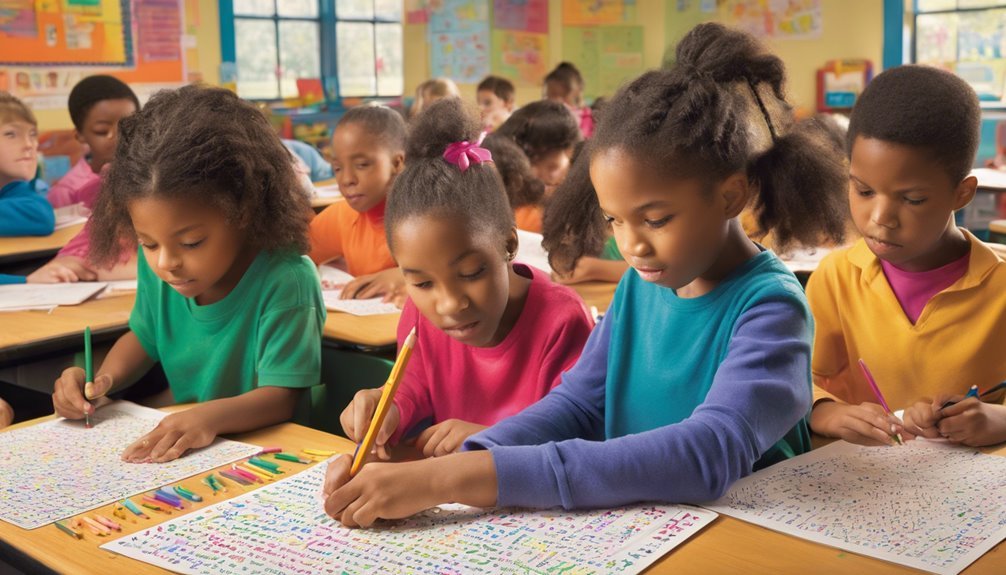
Word search puzzles invite kids to dive into a world of letters and words, sparking their curiosity and enhancing cognitive skills.
These puzzles present cognitive challenges that stimulate critical thinking and problem-solving abilities. As children search for hidden words, they develop essential skills like pattern recognition and visual scanning.
You can encourage them to employ various puzzle strategies, such as starting with the longest words or looking for unique letters, to boost their confidence and enjoyment.
This engaging activity not only sharpens their focus but also nurtures perseverance as they work through difficult puzzles. Embracing these challenges fosters a growth mindset, preparing young minds for future academic pursuits and everyday problem-solving scenarios.
Enhancing Fine Motor Skills Through Word Searches
As kids immerse themselves in word search puzzles, they're not just having fun; they're also honing their fine motor skills. Engaging in puzzle solving requires precise movements as they trace letters with their fingers or pens. This practice strengthens the small muscles in their hands, improving dexterity and control.
As they focus on finding words, they're developing their grip and hand-eye coordination, vital components of fine motor skills. Each completed puzzle builds confidence, encouraging them to tackle more complex challenges.
The Role of Visual Tracking in Problem Solving
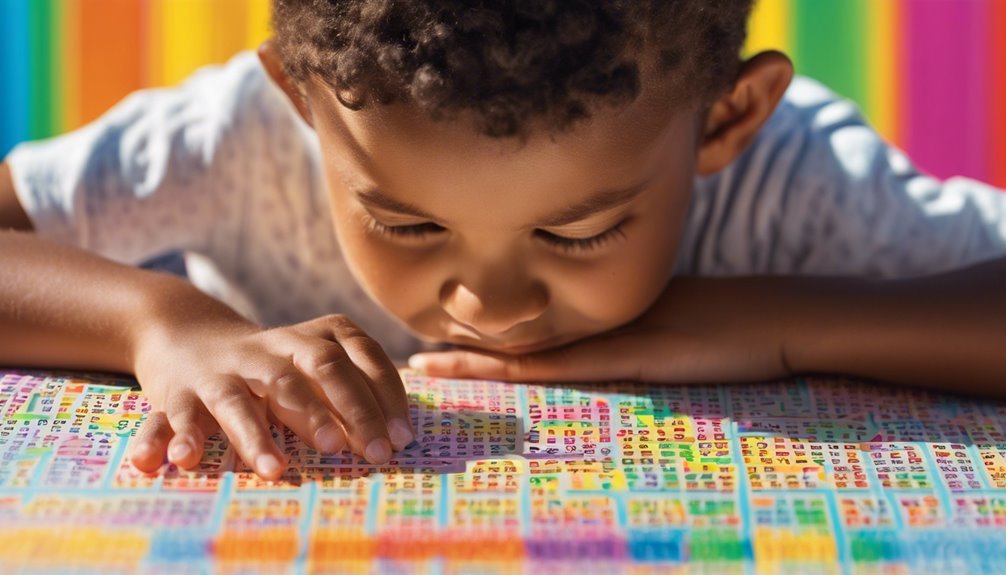
When kids dive into a word search puzzle, they engage in a critical skill known as visual tracking, which plays a significant role in their problem-solving abilities.
This skill helps them connect visual perception with problem recognition, allowing them to identify patterns and relationships.
As they scan the grid, they're honing their ability to:
- Follow letters across rows and columns
- Recognize word shapes and orientations
- Shift their gaze efficiently between different sections
Focus and Concentration: Skills Developed by Word Searches
While diving into a word search puzzle, you'll find that kids naturally sharpen their focus and concentration. As they search for letters and words, they engage in focus techniques that require them to block out distractions.
This immersive experience acts as an excellent concentration exercise, enhancing their ability to stay on task for longer periods. The thrill of discovering hidden words not only boosts their confidence but also reinforces their attention skills.
By consistently practicing with these puzzles, children develop a stronger mental discipline, which can translate to improved academic performance and better problem-solving abilities.
Incorporating Word Search Puzzles Into Learning Routines
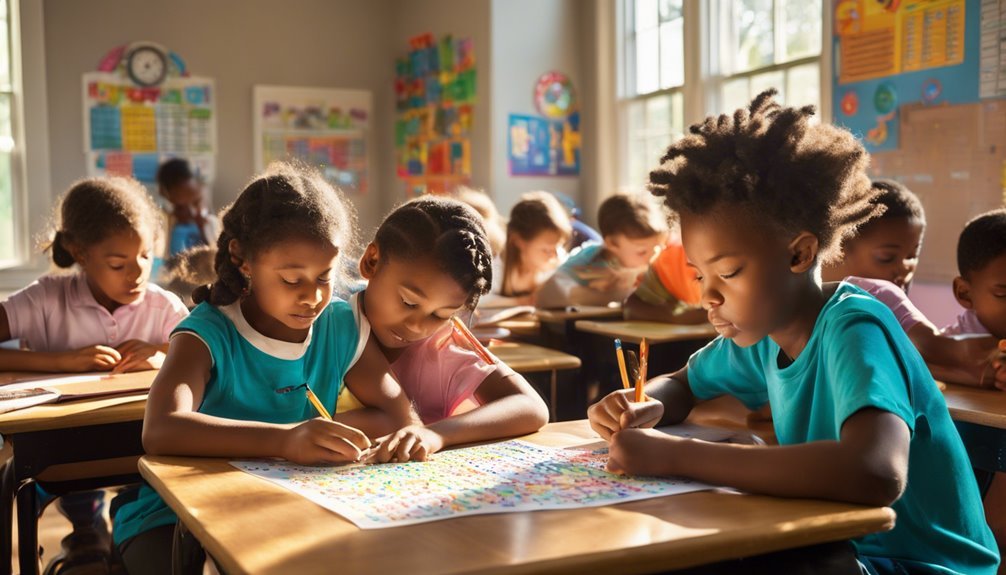
Incorporating word search puzzles into your child's learning routine can be a fun and effective way to enhance their educational experience.
These puzzles not only boost hand-eye coordination but also foster learning engagement.
You'll find that they can:
- Spark curiosity about new vocabulary.
- Create a relaxing yet stimulating atmosphere for study.
- Encourage teamwork if done in groups.
Tips for Parents to Make Word Searches More Engaging
To keep the excitement rolling with word search puzzles, parents can introduce creative twists that make the activity even more engaging.
Try incorporating creative themes like animals, space, or favorite movies to capture your child's interest. You can also use interactive formats, such as timed challenges or scavenger hunts, where they search for hidden words around the house.
Encourage friendly competition by having family word search tournaments, awarding small prizes for completion.
Additionally, consider creating personalized puzzles using your child's vocabulary words or interests, making it more relatable and fun.
Real-Life Applications of Enhanced Hand-Eye Coordination
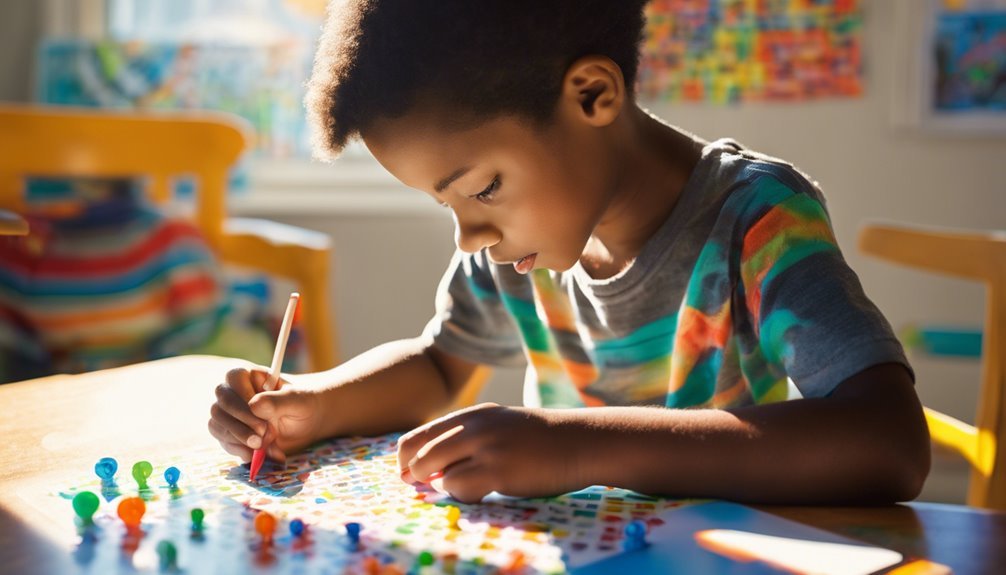
As children develop enhanced hand-eye coordination through activities like word search puzzles, they'll find these skills translate into various real-life scenarios.
Imagine how these abilities can empower them in everyday situations:
- Swiftly catching a ball during sports activities, boosting their confidence and teamwork.
- Skillfully maneuvering a bike while navigating obstacles, promoting independence and adventure.
- Efficiently completing daily tasks, like tying shoelaces or using utensils, fostering a sense of accomplishment.
These improved coordination skills aren't just for games; they play a vital role in daily life.
You'll notice your child becoming more adept at handling challenges, both in sports and in routine activities, paving the way for greater confidence and mastery in everything they do.
Frequently Asked Questions
At What Age Can Children Start Solving Word Search Puzzles?
You might wonder at what puzzle age children can start tackling word searches. Typically, kids around age 6 can begin solving these puzzles, as they're developing reading skills and hand-eye coordination.
Early learning through word searches can be both fun and beneficial. Introducing them at this age fosters critical thinking and vocabulary expansion.
Just remember to choose puzzles that match their skill level, making the experience enjoyable and engaging!
How Often Should Kids Practice Word Searches for Optimal Benefits?
To unlock the treasure chest of skills, you'll want to encourage daily practice with word searches.
Just like a musician perfects their craft, your child should dive into a variety of puzzles. Mixing themes and difficulty levels keeps the experience fresh and engaging, sparking their interest.
Aim for at least 10-15 minutes each day. This routine not only sharpens their mind but also builds a strong foundation for mastery in puzzle-solving.
Are There Any Digital Versions of Word Search Puzzles for Kids?
Absolutely! You can find a variety of digital puzzles tailored for kids on numerous online resources.
Websites and apps offer interactive word searches that make learning fun and engaging. These platforms often feature different themes and difficulty levels, so you can choose what suits your child best.
Plus, many of them allow for customization, letting you create puzzles that cater to your child's interests and skill level.
Dive in and explore these options together!
Can Word Searches Help With Reading Comprehension Skills?
Yes, word searches can definitely enhance your reading comprehension skills! By engaging with various words and their placements, you're practicing key reading strategies and comprehension techniques.
As you search for words, you're not just recognizing letters; you're also connecting meanings and contexts. This active participation helps solidify your vocabulary and comprehension, making reading more enjoyable and effective.
What Other Activities Can Improve Hand-Eye Coordination in Children?
While fine motor skills flourish in quiet moments, they also thrive in active play. Engaging in sports activities like basketball or soccer sharpens your child's hand-eye coordination, while crafts projects enhance dexterity through creative expression.
Video games can develop quick reflexes, and outdoor games like tag promote agility and focus. Balancing these activities fosters a well-rounded skill set, ensuring your child masters coordination both indoors and out, making learning enjoyable and dynamic.
Conclusion
So, if you think word search puzzles are just for fun, think again! These engaging activities not only entertain but also nurture essential skills like hand-eye coordination and fine motor development. By incorporating them into your child's routine, you're setting the stage for cognitive growth and confidence. Embrace the challenge together—your child will not only enjoy the process but also reap the rewards in their everyday life. Let the puzzle-solving adventure begin!