
Helping a toddler listen better starts with connection, not control. A calm voice, gentle touch, and steady eye contact can make a request easier to hear. Short, clear directions work better than long explanations, and simple rules give the child a predictable path. When cooperation appears, immediate praise helps it grow. Still, refusals will happen, and how an adult responds can change everything.
Key Takeaways
- Get their attention first with a gentle touch, eye contact, or a calm call of their name.
- Give one short, clear instruction at a time using simple words and gestures.
- Use consistent, easy rules like “gentle hands” and “come when called.”
- Praise and reward listening right away with specific positive feedback and warmth.
- Stay calm during refusals, offer simple choices, and repeat the direction without arguing.
Get Your Toddler’s Attention First

Before expecting a toddler to listen, it helps to first secure their attention. A gentle touch on the shoulder, kneeling to eye level, or saying their name softly can signal that something important is coming.
Visual cues, such as a wave, a pointing finger, or showing the object in question, can make the message easier to grasp. When the child is absorbed in play, brief pauses and engaging activities that invite connection often work better than repeated speaking.
Warm facial expressions and calm body language also help a toddler feel safe and ready to respond. The goal is not control, but connection.
When attention is gathered first, the child is more likely to hear, understand, and cooperate without feeling rushed or overwhelmed.
Give Clear, One-Step Directions
Clear, one-step directions are easier for toddlers to follow because they can process only a small amount of information at a time. A caregiver may say, “Please pick up the block,” rather than giving several requests at once. This gentle approach respects a toddler’s limits and helps success feel possible.
- Use short, specific words.
- Pair words with visual cues, such as pointing or showing the object.
- Offer positive reinforcement right after the child responds.
When directions stay simple, a toddler can focus, act, and feel understood. If the first attempt does not work, the adult can repeat the same calm instruction instead of adding extra words.
Consistency, warmth, and patience help listening grow naturally over time.
Create Simple Listening Rules

Simple directions work best when they are paired with a few easy rules that stay the same each day. A toddler listens better when the expectations are brief and familiar: use gentle hands, come when called, and stop when an adult says “wait.”
These rules are easier to remember when they are repeated often and shown with visual cues, such as a picture by the door or a hand signal. Consistent routines also help, because a child learns what happens next and feels less uncertain.
When the same words and actions are used each time, listening becomes simpler and safer. The goal is not perfection, but steady guidance that feels calm, warm, and clear for little ears.
Praise Good Listening Right Away
Immediate praise can help a toddler connect the behavior with the positive result. A warm, specific response soon after listening makes the lesson clear and comforting.
Positive reinforcement works best when the adult names exactly what went well, such as following a direction, stopping when asked, or answering softly. This small moment of attention can make a child feel seen and eager to try again.
- Say, “You listened right away. That helped.”
- Smile, touch a shoulder, or offer a brief hug.
- Repeat praise during listening games to build the habit.
Gentle encouragement teaches that listening brings closeness, approval, and success. Over time, the toddler begins to notice that attentive choices create pleasant, trusted interactions.
Handle Toddler Refusals Without Power Struggles
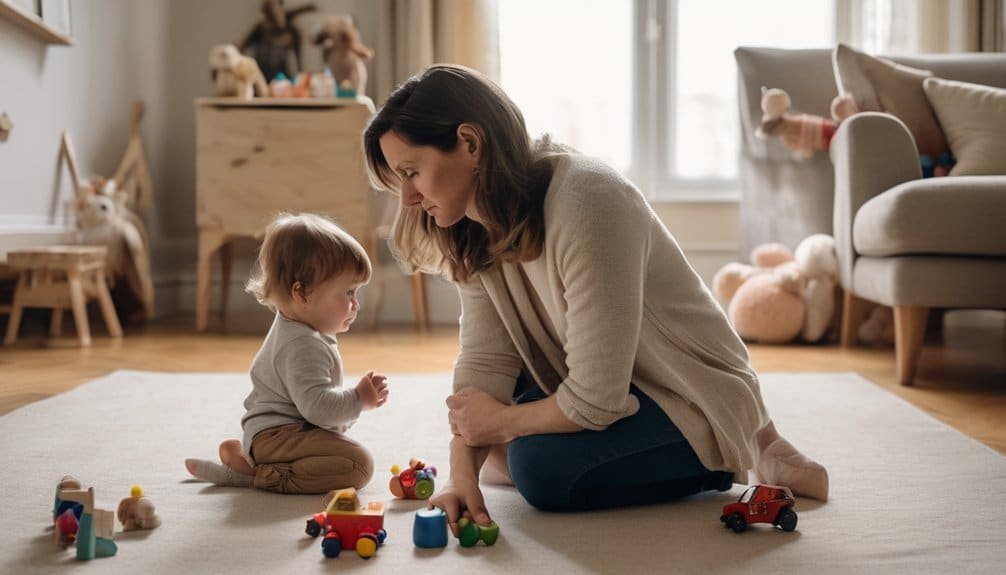
When a toddler refuses a request, a calm, steady response often works better than arguing or repeating the command. The adult can pause, notice emotional triggers, and keep tone soft. Short choices help: “Shoes now or in two minutes?” Gentle reminders, not lectures, guide the child back without shame.
| Situation | Calm response | Helpful effect |
|---|---|---|
| No to bath | Offer two choices | Less resistance |
| Clings at bedtime | Set a small routine | More security |
| Throws spoon | Remove it quietly | Clear boundary |
| Runs away | Kneel and reconnect | Shared focus |
| Whines for more | Repeat once, then wait | Less escalation |
This approach protects closeness, teaches limits, and shows that refusal does not require a battle.
Frequently Asked Questions
How Do I Help My Toddler Listen in Noisy Places?
In noisy places, the toddler may listen better with distraction techniques and effective signals: gentle touch, eye contact, and a simple phrase. Calm repetition, shorter directions, and nearby reassurance often reduce overwhelm and invite cooperation.
What Activities Improve a Toddler’s Listening Skills?
Listening games and music activities can improve a toddler’s listening skills. Gentle play, like following directions, sound matching, and copying rhythms, builds attention. Short, loving practice helps toddlers feel secure while learning to listen better.
When Should I Worry About My Toddler’s Hearing?
Toddler hearing should be checked if responses to sound seem dim as dusk, speech delays appear, or hearing milestones are missed. A pediatrician can evaluate promptly, offering reassurance, guidance, and next steps.
How Can I Teach Turn-Taking During Conversations?
Turn-taking during conversations can be taught with role playing games and simple conversation cues. The adult demonstrates waiting, listening, and responding, then gently praises each attempt, helping the toddler feel connected, capable, and understood.
What Books Help Toddlers Practice Listening?
Picture books with repetitive phrases and simple instructions train listening, as if toddlers are tiny judges of a bedtime trial. Storytime routines and interactive audiobooks strengthen attention; sturdy, short books with clear images work best.
Conclusion
Helping a toddler listen better is less about control and more about connection. When an adult gets their attention first, offers one-step directions, and keeps simple rules steady, the child has a clear path to follow. Immediate praise helps good choices stick, while calm responses to refusals prevent power struggles. With patience, warmth, and consistency, caregivers can keep the wheels turning toward better cooperation and a more peaceful day.