
Toddler food portions often worry parents, yet most children need far less than adult servings. A few spoonfuls at a time can be enough, with more offered if hunger remains. Portions also vary by age, food group, and daily appetite. Knowing what is normal can reduce waste, support steady growth, and make mealtimes calmer. The details can be simpler than they seem, but a few common mistakes still matter.
Key Takeaways
- Toddler portions should be much smaller than adult servings, usually one-quarter to one-half of an adult portion.
- Offer about three meals and two to three snacks daily, with water available during meals.
- For 12 to 24 months, start with a few spoonfuls and add more only if your toddler wants it.
- Aim for modest portions: vegetables a few spoonfuls, protein 1 to 2 tablespoons, and carbohydrates 1/4 to 1/2 cup.
- Steady growth, energy, and normal appetite changes usually mean your toddler is eating enough.
Toddler Portion Sizes at a Glance
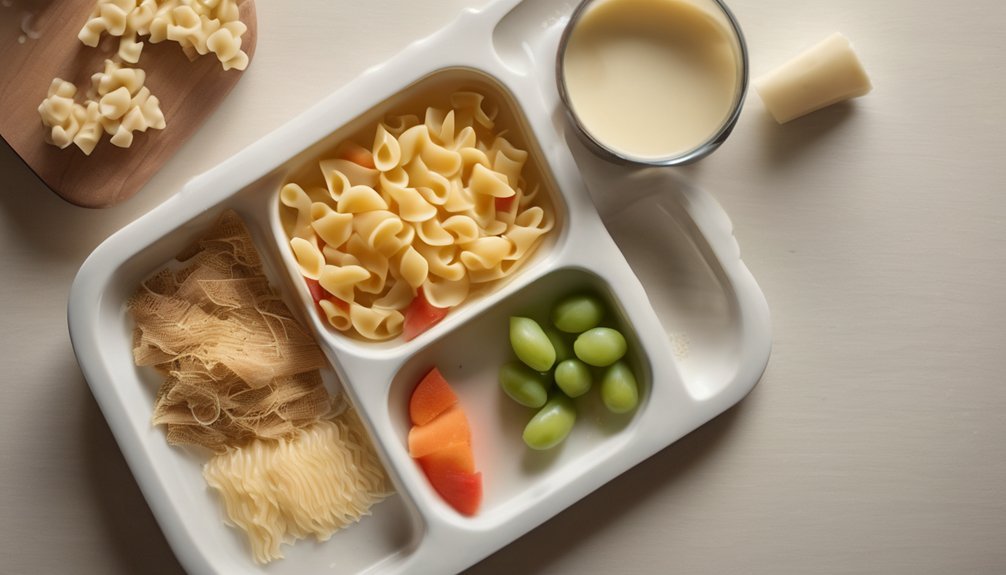
Toddler portion sizes are typically much smaller than adult servings, and a simple rule of thumb is to offer about one-quarter to one-half of an adult portion, then let appetite guide the rest. This approach respects toddler appetite without pressure and fits steady feeding routines at home.
A few bites of fruit, vegetables, grains, protein, or dairy can be enough at one sitting, especially when the child is growing and active. Smaller dishes often look more inviting and reduce waste. If more is wanted, additional food can be offered calmly. If less is eaten, that also can be normal.
Consistent meals and snacks help toddlers learn hunger and fullness cues, while caregivers can stay relaxed, observant, and responsive.
How Much Toddlers Need Each Day
Daily intake for toddlers varies by age, growth rate, and activity level, but many children do well with three meals and two to three snacks spread across the day. This pattern supports steady daily nutrition without pressure to finish every plate.
Small appetites are normal, and a child may eat more at one meal and less at the next. Caregivers can think in modest serving sizes, offering a few bites of grains, fruit, vegetables, protein, and dairy foods over time.
Water should be available regularly, and meals work best when seated and unhurried. Appetite cues matter more than forcing portions. When a toddler seems satisfied, that signal can be trusted, helping eating stay calm, nourishing, and responsive.
Toddler Portions by Age
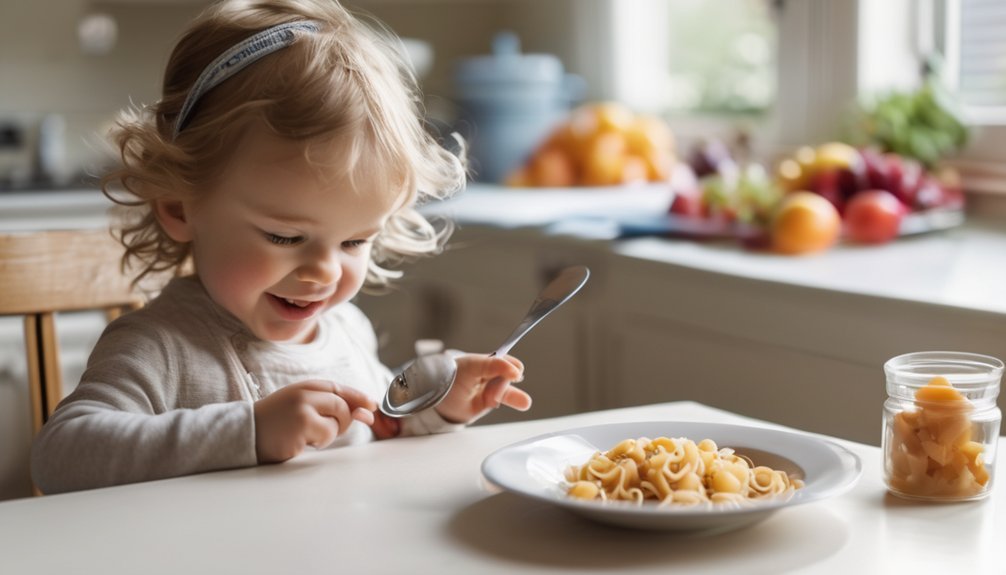
As toddlers grow, portion needs usually increase gradually rather than all at once, and age can be a useful guide for what to place on the plate.
Around 12 to 18 months, many children do best with very small amounts, since appetite can shift from meal to meal.
By 18 to 24 months, portions often become a little larger, but still look modest compared with adult servings.
Between 2 and 3 years, steady meal frequency and calm serving methods can help children learn hunger and fullness cues without pressure.
It is usually practical to offer a few spoonfuls first, then add more if needed.
This flexible approach supports confidence, reduces waste, and keeps mealtimes gentle for the family.
Toddler Portions by Food Group
Portion size is only part of the picture; what a toddler eats matters just as much. For toddler portions by food group, portion control works best when meals include variety and steady meal timing.
Small servings of vegetable varieties, protein sources, carbohydrate choices, and healthy fats help meet needs without pressure. A practical plate can look like this:
- vegetables: a few spoonfuls
- protein sources: 1 to 2 tablespoons
- carbohydrate choices: 1/4 to 1/2 cup
- dairy alternatives or milk: small, age-appropriate amounts
Snack options can repeat these groups in simpler form, such as fruit with yogurt or toast with nut butter.
Evidence suggests routine, not perfection, supports comfort at the table and makes feeding feel more predictable.
Signs Your Toddler Is Eating Enough
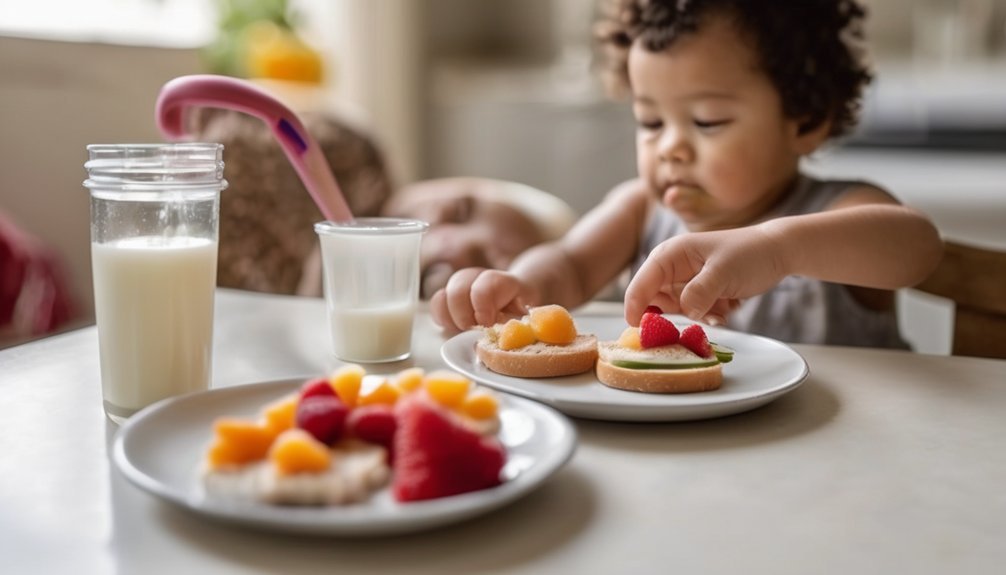
A toddler is often eating enough when growth follows a steady pattern, energy stays generally consistent, and meals include a variety of foods over the course of the day. Caregivers may notice reassuring signs in appetite, mood, and bathroom patterns. Hunger cues usually appear before meals, and a child may seem relaxed after eating rather than distressed. Meal timing, not strict portions, often supports this balance.
| Sign | What it may suggest |
|---|---|
| Steady growth | Intake is meeting needs |
| Regular energy | Food is supporting activity |
| Hunger cues | Appetite is present and responsive |
| Calm after meals | Satisfaction is likely |
A toddler who varies intake from day to day can still be well nourished. Brief shifts are common, and consistent patterns over time matter more than any single meal.
Toddler Portion Tips for Parents
Small, child-sized servings often work best for toddlers, since large portions can feel overwhelming and may lead to waste or pressure at the table. Parents can support appetite by offering one or two tablespoons of each food, then allowing more if interest remains.
- Include a protein, fruit or vegetable, and grain.
- Keep meal timing consistent so hunger cues stay predictable.
- Offer water with meals and simple snack ideas between them.
- Let the toddler decide how much to eat from what is served.
This approach respects growing autonomy while still guiding balanced intake. Caregivers may notice that relaxed routines and repeat exposure help children accept new foods over time.
Gentle structure often works better than coaxing, especially when mealtimes stay calm and familiar.
Common Toddler Portion Mistakes
Another frequent error is making every meal look identical, which limits meal variety and can reduce interest in food. Overreliance on snacks or drinks before meals may also blunt appetite, leaving less room for balanced eating. Gentle portion control supports steady growth without pressure.
Most toddlers eat unevenly from day to day, and that pattern is normal. A calm, consistent approach helps families trust small appetites and big fluctuations.
How to Make Toddler Portions Easier
Simple routines can make toddler portions easier to manage by reducing guesswork at the table. Parents often find that consistent mealtime routines support calmer eating and better portion control, because toddlers learn what to expect.
Small, predictable servings are usually enough, with seconds offered only if hunger remains.
- Use a child-size plate or bowl.
- Start with one or two tablespoons of each food.
- Serve familiar foods alongside one new food.
- Let the toddler ask for more.
This approach lowers pressure and helps adults notice true hunger cues. Mealtimes feel warmer when portions are steady, food is not forced, and the child can explore safely.
Over time, repetition teaches trust, making everyday feeding simpler and more peaceful for the whole family.
Frequently Asked Questions
Should Toddlers Eat the Same Portions Every Day?
Toddlers do not need the same portions every day. Appetite naturally varies with growth and activity. Parents can offer meal variety and make portion adjustments, trusting hunger cues while keeping routines calm and reassuring.
How Do I Handle Food Refusals at Mealtimes?
Food refusals are handled best with calm meal strategies: offer small portions, keep routines steady, and avoid pressure. Gentle positive reinforcement for tasting, not finishing, helps toddlers feel safe while appetite naturally varies.
When Should I Worry About My Toddler’s Appetite?
Worry when appetite drops with weight loss, dehydration, persistent vomiting, lethargy, or feeding pain. Otherwise, toddler hunger cues often vary daily; meal timing strategies can help. A pediatrician can assess ongoing concerns gently.
Are Toddler Portion Sizes Different for Daycare Meals?
Yes, toddler portion sizes at daycare can differ slightly, like small lanterns guiding growth. Daycare meal guidelines often allow portion variations based on age, appetite, and routines, so caregivers should follow center standards and pediatric advice.
Can Picky Eating Affect Toddler Growth?
Yes, picky eating can affect toddler growth if intake becomes too limited. Evidence suggests monitoring growth milestones, offering picky eater strategies, and seeking guidance when weight, height, or energy seem concerning, while staying calm and consistent.
Conclusion
Toddler food portions work best when they act like a compass, not a stopwatch: they guide, but never force. Small servings, varied foods, and simple cues from appetite help toddlers get what they need without pressure. When adults start with a few spoonfuls and offer more only if wanted, mealtimes stay calm and waste stays low. With patience and consistency, parents can support healthy growth, confident eating, and positive habits that last well beyond the toddler years.